



Postpartum anxiety is not the same as PPD—and it’s more common than you think. Learn the signs, causes, and how Maaanaya helps mothers heal.
Introduction: The Worry That Doesn’t Go Away
Becoming a mother is one of life’s most profound transitions. But for many women, the weeks and months after childbirth are not filled with the joy and calm society promises. Instead, they are marked by racing thoughts, relentless worry, and a sense that something is terribly wrong — even when everything is objectively fine.
This is postpartum anxiety, and it affects an estimated 1 in 5 new mothers. Despite being more common than postpartum depression (PPD), it is far less talked about — leaving countless mothers silently struggling, wondering why they cannot simply relax and enjoy their baby.
On this page, Maaanaya — a platform dedicated to maternal mental health and postpartum wellness — breaks down everything you need to know about postpartum anxiety: what it is, how it differs from PPD, what causes it, and most importantly, how to get the compassionate, professional support you deserve.
What Is Postpartum Anxiety?
Postpartum anxiety is a maternal mental health condition characterized by excessive, persistent worry, fear, or nervousness that begins after childbirth and significantly interferes with a mother’s ability to function and care for herself or her baby.
Unlike the baby blues — a short-lived emotional dip that resolves within two weeks of delivery — postpartum anxiety does not go away on its own. It can appear immediately after birth or develop gradually over weeks or even months.
Postpartum anxiety is not just “overthinking.” It is a clinical condition rooted in measurable hormonal, neurological, and psychological changes. It deserves the same medical attention and compassion as any other postpartum condition.
Key facts about postpartum anxiety:
- It affects approximately 15–20% of new mothers globally.
- It can occur after any pregnancy, including planned ones and healthy deliveries.
- It often goes undiagnosed because it lacks formal recognition as a separate disorder in some clinical frameworks.
- It can coexist with postpartum depression, making it even more complex to navigate.
- It is highly treatable with the right professional support.
Postpartum Anxiety vs Postpartum Depression
One of the most important distinctions in maternal mental health is understanding that postpartum anxiety and postpartum depression are separate conditions — though they can occur together. Confusing the two can lead to misdiagnosis and inadequate care.
Postpartum depression (PPD) is more widely recognized. It is characterized by persistent sadness, hopelessness, loss of interest, difficulty bonding with the baby, and feelings of worthlessness. Mothers with PPD often feel low, numb, or disconnected.
Postpartum anxiety, on the other hand, is defined not by sadness but by fear and hypervigilance. A mother with postpartum anxiety may feel intensely alert, unable to slow her thoughts down, and consumed by “what if” scenarios. She may not feel sad — she may feel terrified.
This distinction matters because the treatment approaches, while overlapping, have important differences. Therapy protocols, medication choices, and coping strategies are calibrated differently for anxiety versus depression.
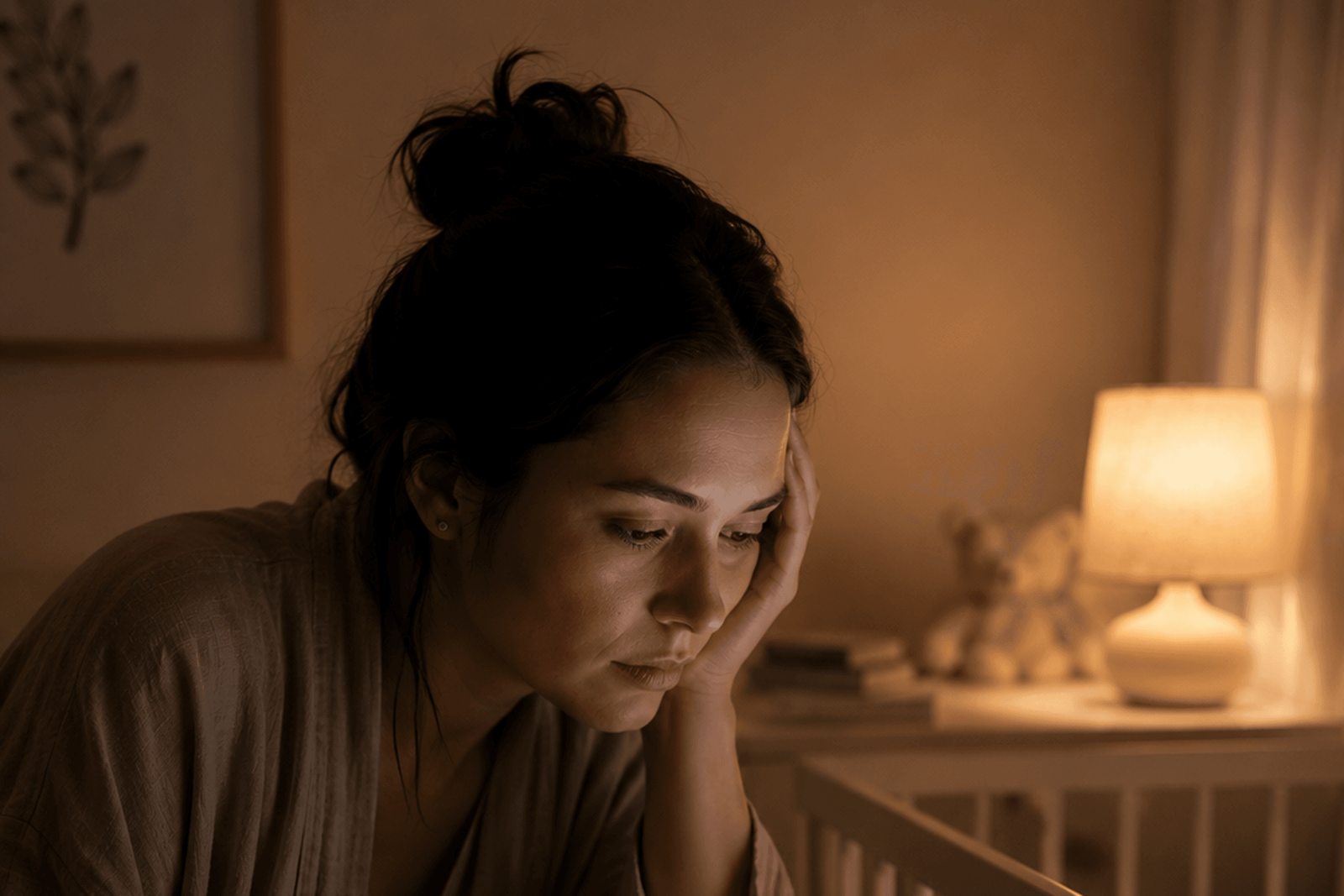
Signs and Symptoms of Postpartum Anxiety
Recognizing postpartum anxiety symptoms is the first step toward getting help. These symptoms span three domains: psychological, physical, and behavioural.
Psychological Symptoms
- Constant worry about the baby’s health, safety, or development, even when reassured by doctors
- Intrusive thoughts — unwanted, distressing mental images of harm coming to the baby
- Difficulty making decisions due to fear of making a “wrong” choice
- Catastrophic thinking: imagining worst-case scenarios in everyday situations
- Racing thoughts that are difficult to quiet, especially at night
- Feeling “on edge” or irritable without clear reason
- Fear of being alone with the baby
Physical Symptoms
- Heart palpitations or a racing heartbeat
- Shortness of breath, especially during moments of worry
- Muscle tension, particularly in the neck, shoulders, and jaw
- Nausea or stomach discomfort not linked to physical illness
- Dizziness or feeling lightheaded
- Headaches
- Chronic fatigue despite rest — the body remains in a state of alert
Behavioural Symptoms
- Inability to sleep even when the baby is sleeping (hyperarousal)
- Compulsively checking on the baby throughout the night
- Avoiding situations perceived as dangerous (taking the baby outside, having visitors)
- Seeking constant reassurance from partners, doctors, or family
- Withdrawing from social interactions due to overwhelming anxiety
- Difficulty completing daily tasks due to fear and distraction
If you recognize several of these signs in yourself or someone you love, please know that these experiences are real, valid, and treatable.
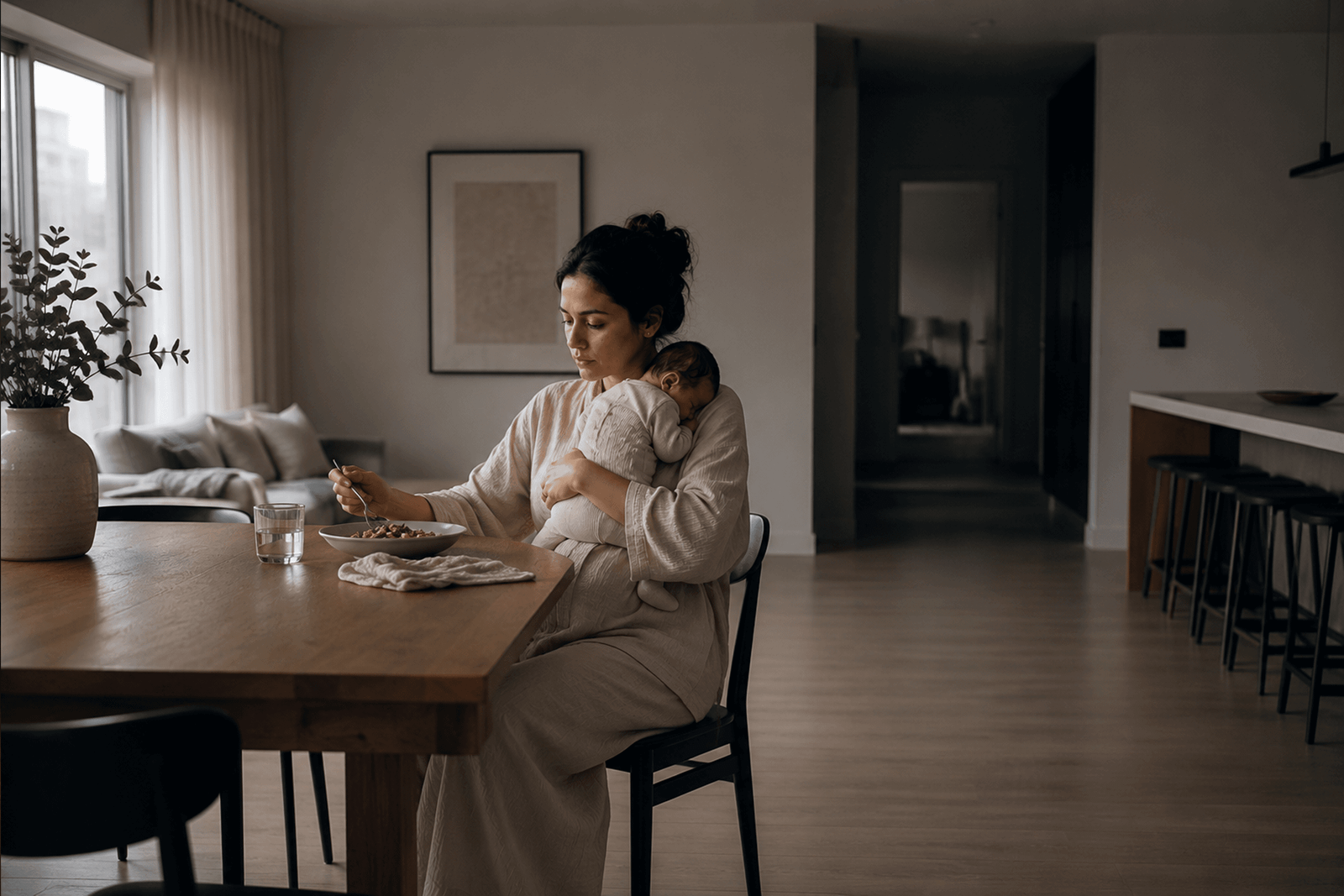
What Causes Postpartum Anxiety?
Postpartum anxiety does not have a single cause. It arises from a convergence of biological, psychological, and social factors
all of which are amplified by the immense life transition of new motherhood.
1. Hormonal Changes
After childbirth, levels of oestrogen and progesterone drop sharply. These hormones play a significant role in regulating mood and the stress response. Their sudden withdrawal can trigger heightened anxiety in women who are biologically sensitive to hormonal fluctuations.
Additionally, cortisol — the body’s primary stress hormone — remains elevated in many new mothers as the brain and body adapt to the demands of caring for a newborn.
2. Sleep Deprivation
Chronic sleep disruption is one of the most powerful anxiety triggers known to neuroscience. New mothers rarely get more than 2–3 hours of uninterrupted sleep. This level of deprivation impairs the brain’s prefrontal cortex — the region responsible for rational thinking and emotional regulation — making anxious thoughts feel more overwhelming and harder to dismiss.
3. Previous Mental Health History
Women who have experienced anxiety, depression, OCD, or panic disorder before or during pregnancy are at significantly higher risk of developing postpartum anxiety. The postpartum period acts as a neurological stress test, and those with existing vulnerabilities are more susceptible.
4. Traumatic Birth Experience
A difficult labour, emergency C-section, complications during delivery, or a Neonatal Intensive Care Unit (NICU) stay can trigger symptoms consistent with post-traumatic stress, which frequently overlaps with postpartum anxiety.
5. Lack of Social Support
Mothers who feel isolated — whether due to a lack of family nearby, strained partner relationships, or geographical isolation — are at higher risk. Social connection is a proven buffer against anxiety; its absence amplifies vulnerability.
6. Perfectionism and Identity Pressure
Cultural and social pressures to be a “perfect mother” create unrealistic standards that fuel anxiety. When reality inevitably diverges from this ideal, many mothers interpret the gap as personal failure rather than as the normal complexity of parenthood.
7. Breastfeeding Challenges
Difficulties with breastfeeding — pain, poor latch, low supply — are a commonly underestimated source of maternal anxiety. When feeding is not going as expected, many mothers experience shame, guilt, and fear that they are failing their baby.
what to expect after giving birth-Click on below link
URL: https://www.kennedyjohnson.com/what-to-expect-after-giving-birth/
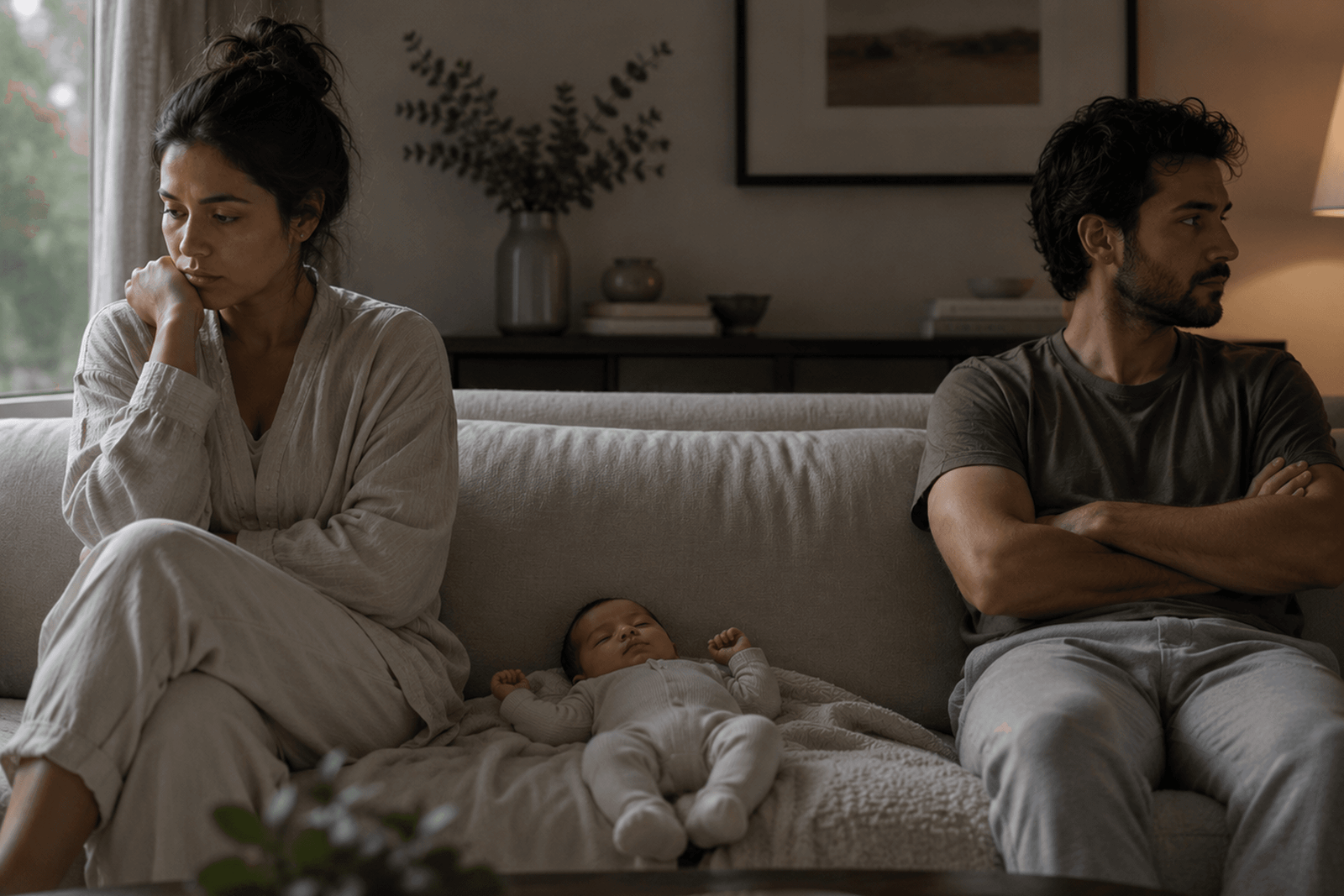
How Postpartum Anxiety Affects Daily Life
Postpartum anxiety does not just affect the mother — it ripples outward, touching every aspect of family life.
Parenting: Hypervigilance can prevent mothers from allowing natural, healthy independence. A mother with postpartum anxiety may be unable to let anyone else care for her baby, fear bath time, resist outings, or obsessively monitor breathing throughout the night.
Relationships: Partners often feel helpless, shut out, or wrongly blamed. The intimacy and communication that sustain relationships can deteriorate as anxiety creates emotional distance and irritability.
Physical health: The chronic physical symptoms of anxiety — tension, fatigue, digestive issues — compound the already demanding physical recovery from childbirth, particularly for those healing from C-sections or perineal trauma.
Cognitive functioning: Anxiety after childbirth impairs concentration, memory, and decision-making. Mothers describe feeling unable to think clearly — a distressing experience for women who were previously high-functioning in professional and personal life.
Return to work: For mothers who return to employment, postpartum anxiety can severely impact performance, confidence, and the ability to separate from the baby.
Left unaddressed, postpartum anxiety can persist for months or years, evolving into a chronic anxiety condition. This is why early identification and professional support are so critically important.
Case Study: Priya’s Story
Priya was 31 years old when she had her first child. Her pregnancy had been healthy, her birth straightforward, and her baby — by all accounts — was thriving. But three weeks after coming home from the hospital, Priya could not stop thinking about what could go wrong.
She would lie awake long after her baby had settled, listening to every breath through the monitor. She would call her paediatrician multiple times a week with worries that she herself knew were irrational but could not dismiss. She stopped going to the park because she feared strangers around her baby. She began declining help from her mother-in-law because she could not tolerate anyone else handling her daughter.
“I didn’t feel sad. I felt terrified. All the time,” Priya later shared. “I kept thinking: this is what being a good mother feels like. You worry because you love them so much.”
Her husband noticed the strain first. After six weeks of disrupted sleep and escalating worry, he found information about postpartum anxiety and gently encouraged Priya to speak with a professional.
Through Maanaya, Priya was matched with a licensed therapist specialising in maternal mental health. Over 10 weeks of cognitive behavioural therapy (CBT), she learned to recognise intrusive thoughts as anxiety symptoms rather than valid warnings. She gradually reintroduced activities she had been avoiding and rebuilt her confidence as a mother.
“I wish someone had told me it had a name,” she says. “I thought I was just not cut out for this. Now I know I was unwell — and that I got better.”
Priya’s experience illustrates a crucial truth: postpartum anxiety is real, it has a name, and recovery is possible.
Postpartum Anxiety vs PPD: Comparison Table
| Feature | Postpartum Anxiety | Postpartum Depression (PPD) |
| Primary emotion | Fear, worry, dread | Sadness, emptiness, hopelessness |
| Thought patterns | “What if something goes wrong?” | “Nothing matters. I’m a failure.” |
| Energy levels | Hyperactive, on edge, restless | Low energy, exhaustion, withdrawal |
| Sleep | Cannot sleep despite exhaustion | Sleeps too much OR insomnia |
| Bond with baby | Usually intact but fear-driven | Often impaired or numb |
| Physical symptoms | Palpitations, tension, breathlessness | Heaviness, fatigue, aches |
| Onset | Can appear within days of birth | Usually 2–8 weeks post-delivery |
| Duration (untreated) | Chronic; can persist for months/years | Typically 6 months–1 year if untreated |
| Risk of co-occurrence | Can occur alongside PPD | Can occur alongside anxiety |
| Primary treatment | CBT, therapy, sometimes medication | Therapy, medication, support groups |
| Maanaya support | Therapist matching + holistic care | Therapist matching + holistic care |
When to Seek Professional Help
Many mothers delay seeking help because they believe their anxiety is “just part of being a good parent” or they fear being judged as unfit. This is one of the most harmful myths surrounding maternal mental health.
Seek professional support if:
- Your anxiety has lasted more than two weeks after delivery
- You are unable to sleep even when your baby is sleeping
- Intrusive thoughts about harm are disturbing your daily functioning
- You are avoiding activities, places, or people due to fear
- Your worry is affecting your relationship with your partner or baby
- You feel physically unwell with symptoms your doctor cannot explain
- Your anxiety is worsening, not improving
You do not need to be “bad enough” to deserve help. Seeking support early is not a sign of weakness — it is the most effective way to protect both your wellbeing and your baby’s.
Treatment and Support Options
Postpartum anxiety is highly responsive to treatment. The most effective approaches include:
Cognitive Behavioural Therapy (CBT)
CBT is the gold standard for anxiety treatment. It helps mothers identify distorted thought patterns — such as catastrophic “what if” thinking — and replace them with balanced, reality-based responses. For postpartum anxiety, CBT is adapted to address the specific fears and triggers of new motherhood.
Mindfulness-Based Therapy
Mindfulness techniques teach mothers to observe anxious thoughts without being controlled by them. Regular mindfulness practice has been shown to reduce cortisol levels and improve emotional regulation — both crucial for postpartum recovery.
Peer Support and Group Therapy
Connecting with other mothers who share similar experiences reduces shame and isolation. Facilitated peer support groups, when led by trained professionals, can be a powerful complement to individual therapy.
Medication
In moderate-to-severe cases, a psychiatrist may recommend medication — typically SSRIs (selective serotonin reuptake inhibitors) — which are considered safe for breastfeeding mothers under medical supervision. Medication is not a sign of failure; it is a medical tool that can restore neurological balance so therapy can be more effective.
Physiotherapy for Physical Recovery
Physical symptoms of anxiety — including pelvic floor tension, postural strain, and musculoskeletal discomfort — are often addressed in conjunction with mental health support. Maanaya’s integrated approach includes access to physiotherapists who specialise in postpartum physical recovery.
Lifestyle Supports
Sleep hygiene, nutrition, gentle movement, and social connection are not substitutes for professional care but meaningfully support recovery. A qualified therapist can help build sustainable routines that reduce anxiety’s physical grip.
How Maanaya Supports Mothers with Postpartum Anxiety
Maanaya was created because too many mothers are navigating postpartum anxiety in silence — without access to knowledgeable, compassionate, specialist support.
Here is how Maanaya closes that gap:
Specialist Therapist Matching
Maanaya connects mothers with licensed therapists and counsellors who specialise specifically in maternal mental health — not generalists, but professionals trained to understand the unique psychological landscape of postpartum anxiety.
Sessions from Home
New mothers cannot always travel to a clinic. Maanaya’s fully digital platform means you can access a qualified professional from your sofa, during nap time, without arranging childcare. This removes one of the most significant barriers to care.
Holistic Care Team
Beyond therapy, Maanaya provides access to psychologists and physiotherapists who collaborate to support the whole person — your mind and your body — during postpartum recovery.
A Safe, Stigma-Free Space
Maanaya’s mission is to normalise conversations about maternal mental health. On this platform, asking for help is not a sign that you are struggling to cope — it is the most courageous and loving thing you can do for yourself and your family.
Guidance Through Every Stage
Whether you are pregnant and anxious, newly postpartum, or months into a struggle you have not yet named, Maaanaya offers expert guidance on emotional recovery, parenting transitions, and relationship changes after becoming a parent.
If you are experiencing postpartum anxiety, you do not have to figure this out alone. Maaanaya is here.https://patient.maaanaya.com/login
FAQ
What is the difference between postpartum anxiety and postpartum depression?
Postpartum anxiety is primarily characterised by excessive worry, fear, and physical tension, while postpartum depression involves persistent sadness, hopelessness, and emotional withdrawal. Both are serious maternal mental health conditions, but their symptoms, triggers, and treatment protocols differ. They can also occur at the same time, which is why professional diagnosis is important.
How long does postpartum anxiety last?
Without treatment, postpartum anxiety can persist for months or even years, potentially evolving into a chronic anxiety disorder. With appropriate professional support — such as cognitive behavioural therapy, mindfulness, and, where needed, medication — most mothers see significant improvement within 8–16 weeks. Early intervention leads to faster, more complete recovery.
Can postpartum anxiety affect my baby?
Untreated postpartum anxiety can indirectly affect mother-infant bonding and child development. A mother consumed by hypervigilance may unintentionally transfer anxious cues to her baby. However, with proper support, mothers fully recover their capacity for joyful, secure connection. Seeking help is one of the best things you can do for your child.
Is postpartum anxiety a sign that I am a bad mother?
Absolutely not. Postpartum anxiety is a medical condition — not a reflection of your love for your child, your character, or your parenting ability. In fact, many mothers with postpartum anxiety are deeply loving, attentive caregivers. The very worry driving their anxiety comes from how much they care. Recognising symptoms and seeking help is the hallmark of a responsible and courageous parent.
Can postpartum anxiety happen after a second or third baby?
Yes. Postpartum anxiety can occur after any pregnancy, including subsequent ones. Some mothers who did not experience anxiety after their first child find it emerges after a later birth. Risk factors — including previous anxiety history, birth trauma, sleep deprivation, and social isolation — can be present at any postpartum stage.
What should I do if I think I have postpartum anxiety?
Speak with a qualified maternal mental health professional as soon as possible. You do not need to wait until symptoms feel unbearable. Early support leads to better outcomes. Platforms like Maanaya make it simple to connect with a licensed specialist from home, without waiting lists or the barrier of travel. https://patient.maaanaya.com/login
Can postpartum anxiety be treated without medication?
Yes. Many mothers achieve full recovery through therapy alone — particularly cognitive behavioural therapy (CBT) and mindfulness-based approaches. Medication is one option among several and is typically considered for moderate-to-severe cases, or when therapy alone is not providing sufficient relief. Your therapist and, if needed, a psychiatrist will work with you to determine the right approach for your specific situation.
Conclusion
Postpartum anxiety is one of the most common and least-discussed challenges of new motherhood. It is not “normal” worry, it is not weakness, and it is not something you must simply endure. It is a recognised maternal mental health condition — and it responds profoundly well to the right professional care.
The fact that it is separate from postpartum depression does not make it less serious. It makes it equally deserving of attention, compassion, and expert support.
At Maaanaya, we believe every mother deserves to be seen, heard, and helped — not months from now, but today. Our platform connects you with licensed therapists and holistic wellness professionals who specialise in the very experience you are living through.
Motherhood is hard. Anxiety after childbirth is real. And help — compassionate, professional, evidence-based help — is available right now.
Take the first step. You deserve to feel like yourself again. Book your first session with Maanaya →Maaanaya Patient
