



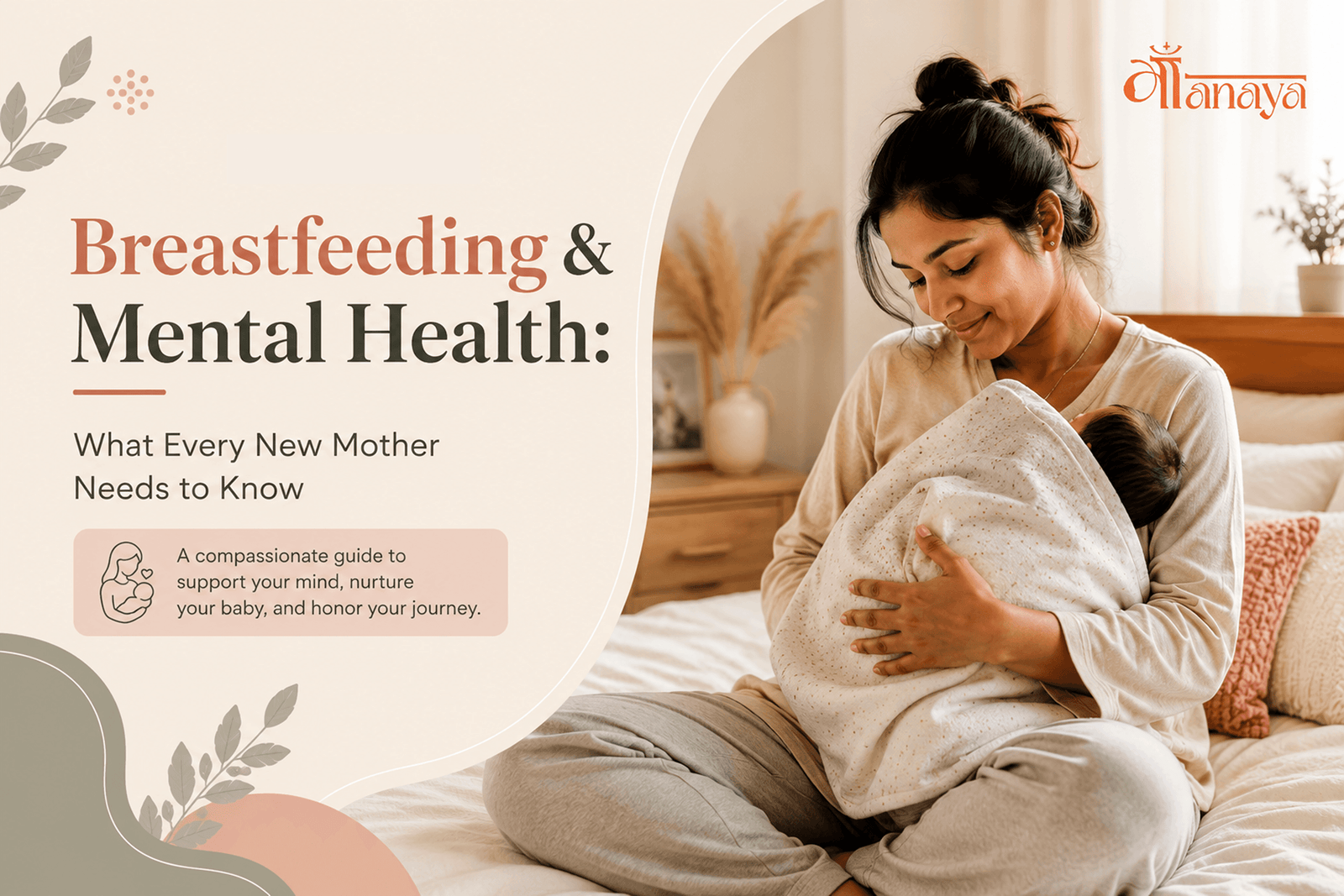
Struggling with breastfeeding and your mental health? Discover how they’re connected, what signs to watch for, and how to get the support you need.
Medical Disclaimer
This article is for educational and informational purposes only. It does not constitute medical advice, diagnosis, or treatment. Always consult a qualified healthcare provider — such as a gynaecologist, psychiatrist, or lactation consultant — before making decisions about your health or the health of your baby. If you are experiencing a mental health crisis, please seek immediate professional support.
Breastfeeding and Mental Health: What Every New Mother Needs to Know
You imagined breastfeeding as a quiet, tender moment — just you and your baby. But the reality can feel very different. Sore nipples, cluster feeding at 2 a.m., a baby who won’t latch, and a mind that won’t stop spiralling. If breastfeeding has left you feeling anxious, exhausted, or even resentful, you are not alone — and there is nothing wrong with you.
The connection between breastfeeding and mental health is profound, complex, and still widely underdiscussed. Research shows that a mother’s emotional wellbeing directly shapes her breastfeeding journey — and that breastfeeding, in turn, can affect her mental state. Sometimes it protects it. Sometimes it puts it under strain. Often, it does both at once.

The Biology Behind Breastfeeding and Mood
Breastfeeding is not just a feeding method — it is a hormonal event that reshapes how your brain functions. Understanding the biology helps explain why the emotional experience of nursing can be so powerful.
-
Oxytocin: The Connection Hormone
Every time your baby feeds, your body releases oxytocin — sometimes called the ‘bonding hormone.’ Oxytocin triggers the milk let-down reflex and simultaneously creates feelings of calm, warmth, and closeness. For many mothers, this is the physiological basis of that peaceful, connected feeling during nursing.
Oxytocin also has anxiety-reducing properties. A study by Heinrichs et al. (2001), published in Psychoneuroendocrinology, demonstrated that social support combined with oxytocin activity significantly reduced cortisol (stress hormone) responses to psychosocial stress. Further, research by Ditzen et al. (2009) confirmed that breastfeeding mothers show lower cortisol reactivity compared to non-breastfeeding mothers in the early postpartum period, suggesting a biological buffer against stress. [Source 1, 2]
-
Prolactin and Its Effect on Wellbeing
Prolactin, the hormone responsible for milk production, also has a sedating, calming effect on the brain. Several researchers, including Groer (2005) writing in Nursing Research, have documented that prolactin has mild anxiolytic (anti-anxiety) properties in breastfeeding women. [Source 3] This may partly explain why many breastfeeding mothers report feeling calm after a feed — even when exhausted.
However, prolactin levels fluctuate significantly during weaning, which is one reason why stopping breastfeeding can sometimes trigger a period of low mood or emotional instability.
-
The Hormonal Shift After Birth
After delivery, oestrogen and progesterone drop sharply. For women who breastfeed, oestrogen remains suppressed for longer. While this supports milk supply and suppresses ovulation, low oestrogen is also associated with low mood, disrupted sleep, and reduced libido — all of which can affect mental health.
How Breastfeeding Can Support Mental Health
When breastfeeding is going reasonably well, it can be a genuine source of emotional resilience.
- Stress reduction: The oxytocin released during nursing dampens the body’s physiological stress response, lowering heart rate and blood pressure.
- Improved sleep quality: Breastfeeding mothers who feed on demand may return to sleep faster due to prolactin’s sedating effects, compared to mothers who wake fully to prepare bottles.
- Sense of accomplishment: Many mothers report that successfully breastfeeding — particularly when it has been difficult — gives them a strong sense of capability and connection.
- Reduced risk of postpartum depression: A meta-analysis by Dias & Figueiredo (2015) in Maternal & Child Nutrition found that longer breastfeeding duration was associated with lower rates of postpartum depression, though the relationship is bidirectional. [Source 4]
- Bonding: Skin-to-skin contact during nursing regulates an infant’s nervous system and supports maternal bonding, reinforcing emotional wellbeing.
If you are experiencing emotional difficulties alongside a generally positive breastfeeding experience, our article on postpartum anxiety explores how to distinguish normal new-mother worry from something that needs attention.
When Breastfeeding Becomes a Mental Health Stressor
The same biological processes that support mental health can also become sources of distress — particularly when breastfeeding is not going smoothly.
-
The Pressure to Breastfeed
In India and globally, breastfeeding is culturally and medically promoted — and rightly so. But this promotion can become a source of immense pressure when things go wrong. Mothers who face latch difficulties, low supply, nipple pain, or relentless cluster feeding may feel they are failing at something fundamental.
A 2019 study in BMC Pregnancy and Childbirth (Brown & Shenker, 2019) found that mothers who experienced difficulties meeting their own breastfeeding intentions had significantly higher scores on postnatal depression screening tools compared to those whose experience matched expectations. [Source 5]
-
Sleep Deprivation
Breastfed babies typically feed more frequently than formula-fed babies due to the faster digestion of breast milk. While physiologically normal, the cumulative sleep deprivation can be severe. Chronic sleep loss is one of the most powerful triggers for anxiety, low mood, and irritability in new mothers.
-
Physical Pain
Cracked nipples, mastitis, engorgement, and tongue-tie can make breastfeeding genuinely painful. Persistent physical pain is both exhausting and demoralising, and when paired with the vulnerability of the postpartum period, it can erode a mother’s sense of control and confidence rapidly.
-
Isolation
In the early weeks, when feeds may last 45 minutes every 1.5–2 hours, breastfeeding can leave mothers feeling tethered and isolated. This is especially true without reliable family support or community around them.
Dysphoric Milk Ejection Reflex (D-MER): The Condition Nobody Talks About
D-MER is a physiological condition in which a mother experiences a sudden, brief wave of negative emotion — typically sadness, anxiety, dread, or emptiness — just before or during milk let-down. These feelings typically last only 30 to 90 seconds and then resolve on their own.
D-MER is not a psychological problem. It is caused by a rapid, temporary drop in dopamine levels that occurs as oxytocin triggers the let-down reflex. The mother has no control over it, and it does not reflect her feelings about her baby or her desire to breastfeed.
How Common Is D-MER?
Estimates suggest D-MER affects between 5% and 9% of breastfeeding women, though it is significantly under-reported because many mothers are unaware it has a name. These figures are drawn from research by Heise & Wiessinger (2011), published in the International Breastfeeding Journal, which provided the first clinical characterisation of the condition.
What D-MER Feels Like
- A wave of homesickness or unexplained sadness
- Sudden anxiety or a sense of dread
- Agitation or skin-crawling discomfort
- Feeling emotionally hollow, then back to normal within 1–2 minutes
If this sounds familiar, please know: D-MER is real, documented, and manageable. Some women find it improves as their milk supply regulates. Others benefit from working with both a lactation consultant and a perinatal mental health professional.
Experiencing D-MER or unexplained emotional waves during feeding?
You don’t have to figure this out alone. Maaanaya’s perinatal mental health specialists understand exactly what you’re going through — and can help.
→ Talk to a Maaanaya specialist today
Postpartum Depression and Breastfeeding: What the Research Says
The relationship between postpartum depression (PPD) and breastfeeding is one of the most studied — and most misunderstood — areas of perinatal mental health.
Does Breastfeeding Prevent Postpartum Depression?
The evidence is nuanced. A large systematic review by Figueiredo et al. (2014), published in the Journal of Human Lactation, found that women who breastfed had a lower overall risk of postpartum depression compared to those who did not. However, the critical caveat: this protective association disappeared — and even reversed — when breastfeeding was associated with difficulties, pain, or early unintended cessation. [Source 7]
In plain terms: breastfeeding that is going well may protect against PPD. Breastfeeding that is painful, exhausting, or marked by perceived failure can increase the risk.
Can Antidepressants Be Taken While Breastfeeding?
This is one of the most common questions mothers with PPD ask — and one of the most important. The answer, in most cases, is yes.
According to clinical guidelines from the Royal College of Psychiatrists (2018) and the National Institute for Health and Care Excellence (NICE), sertraline and paroxetine are considered first-line antidepressant options during breastfeeding, as they transfer into breast milk in very small quantities and have established safety profiles in nursing infants. [Source 8, 9]
This decision should always be made with a psychiatrist or GP experienced in perinatal mental health, weighing the risks of untreated depression against the small amounts of medication that transfer into breast milk. Untreated depression carries its own significant risks — for both mother and baby.
Stopping Breastfeeding and Depression
Some mothers find that their mental health improves when they stop breastfeeding, because physical demands reduce and sleep becomes more manageable. Others experience a temporary dip in mood after weaning due to the withdrawal of prolactin and oxytocin. Neither response means something is wrong — both are physiologically understandable.
Worried about postpartum depression — and whether medication is safe while breastfeeding?
Maaanaya connects you with perinatal psychiatrists and psychologists who specialise in exactly this — confidential, online, and without a long wait.
→ Book a consultation with a Maaanaya perinatal specialist

Breastfeeding Challenges That Affect Emotional Wellbeing
Practical breastfeeding difficulties and emotional health are deeply intertwined. Here are the most common challenges and their mental health implications.
Low Milk Supply (Real or Perceived)
Concern about milk supply is the most common reason mothers stop breastfeeding earlier than they intended. In reality, most women produce sufficient milk — but inadequate information, poor latch, or infrequent feeding can reduce supply. The anxiety of not knowing whether your baby is getting enough can be relentless.
Tongue-Tie and Latch Problems
When a baby cannot latch effectively, feeding becomes painful, supply is compromised, and the baby may be unsettled. The guilt mothers carry when they do not know the cause — believing they are doing something wrong — is significant and often preventable with the right support.
Mastitis
Mastitis causes flu-like symptoms — fever, chills, intense breast pain — on top of the demands of caring for a newborn. A study by Amir et al. (2014) in BMC Pregnancy and Childbirth found that women with mastitis reported significantly higher rates of breastfeeding cessation and increased postnatal anxiety. [Source 10]
Return to Work
The pressure of maintaining milk supply while returning to work — pumping schedules, storage logistics, unsupportive workplaces — is a significant emotional burden. In India, where maternity leave is often insufficient, this transition can feel abrupt and conflicting for many mothers.
When You Cannot or Choose Not to Breastfeed
Not every mother breastfeeds. Some cannot due to medical conditions, certain medications, previous breast surgery, or a baby with particular health needs. Others choose not to, for reasons that are entirely their own.
The weight of guilt that formula-feeding mothers carry — often reinforced by well-meaning but clumsy comments from family, health workers, and even strangers — can be genuinely harmful to mental health. This needs to be said plainly:
A formula-fed baby has a fed, loved, and cared-for mother. That matters most.
If feelings of guilt, grief, or loss around not breastfeeding are affecting your daily functioning, please do seek support. Our resource on baby blues vs postpartum depression can help you identify whether what you are experiencing needs professional attention.

How to Protect Your Mental Health While Breastfeeding
There is no single approach that works for every mother. But these evidence-informed strategies can help.
Get Lactation Support Early
The first two weeks are the steepest part of the learning curve. Accessing a trained IBCLC (International Board Certified Lactation Consultant) early — ideally before your baby is born — can prevent many of the difficulties that erode mental health. Ask your hospital, maternity clinic, or paediatrician for a referral.
Lower the Bar on ‘Success’
Breastfeeding for any amount of time has benefits. One day of colostrum matters. Three months matters. Combination feeding (both breast and formula) is valid. Release yourself from the idea that it is all-or-nothing.
Prioritise Sleep Where You Can
Sleep deprivation is the enemy of emotional regulation. If a trusted person can take one night feed (with expressed milk or formula), take it. Speak to your healthcare provider about safe sleep arrangements for your family.
Build Your Village
Isolation worsens every mental health difficulty. Peer support — connecting with other mothers who understand what you are going through — is one of the most consistently effective buffers against postnatal distress. Maaanaya’s community spaces are designed exactly for this: a space where you do not have to explain yourself, because the women around you already understand.
Eat and Hydrate
Breastfeeding burns an additional 300–500 calories a day and requires significant hydration. Dehydration and nutritional gaps worsen fatigue and mood. Keep water and snacks within reach of your feeding spot.
Speak to a Professional If Something Feels Off
Persistent sadness, inability to bond with your baby, intrusive thoughts, or overwhelming anxiety are not signs of weakness — they are signs that your brain needs support. There is effective treatment, and you deserve access to it.
When to Seek Professional Support
Please reach out to a healthcare professional if you experience any of the following for more than two weeks, or immediately if symptoms are severe:
- Persistent sadness, emptiness, or hopelessness that does not lift
- Inability to sleep even when your baby sleeps, or sleeping excessively
- Intrusive or frightening thoughts about yourself or your baby
- Rage, irritability, or feeling completely detached from your baby or partner
- Constant anxiety that is physical (racing heart, chest tightness) or preventing you from functioning
- Thoughts of harming yourself — seek help immediately
Maaanaya’s platform includes qualified counselling psychologists, clinical psychologists, and psychiatrists who specialise in perinatal mental health. You can access support through our online consultation service — from home, in your own time, without a long wait.
FAQ: Breastfeeding and Mental Health
Can breastfeeding cause postpartum depression?
Breastfeeding itself does not cause postpartum depression. However, difficulties with breastfeeding — including pain, low supply concerns, and sleep deprivation — can significantly increase the risk. PPD is caused by a combination of hormonal, psychological, and social factors. If you are breastfeeding and experiencing symptoms of depression, effective treatment is available that is compatible with nursing.
Is it normal to feel sad or anxious when my milk lets down?
If you experience a sudden, brief wave of sadness, dread, or anxiety just before or during let-down, you may be experiencing D-MER (Dysphoric Milk Ejection Reflex). It is caused by a temporary drop in dopamine — it is a physiological condition, not a psychological one — and typically lasts under two minutes. Named and described clinically by Heise & Wiessinger (2011), it is more common than most mothers realise.
Will stopping breastfeeding help my mental health?
It depends. For some mothers, stopping breastfeeding reduces physical strain and improves sleep, which benefits mental health. For others, weaning triggers a temporary dip in mood as prolactin and oxytocin levels drop. This decision should not be made in crisis. Speak with a perinatal mental health specialist first.
Can I take antidepressants while breastfeeding?
Yes, many antidepressants are considered compatible with breastfeeding. Sertraline and paroxetine are most commonly recommended, as they transfer into breast milk in very small quantities and have established safety profiles (NICE Guidelines, 2020). Always consult a doctor experienced in perinatal care before starting or changing any medication.
How long does breastfeeding affect hormones?
Breastfeeding suppresses oestrogen for as long as you nurse, and prolactin levels remain elevated throughout. Hormonal fluctuations during weaning can cause temporary emotional shifts. Most mothers find hormones stabilise within a few weeks to months after fully weaning, though the timeline varies.
Does breastfeeding help with bonding?
For many mothers, yes — the oxytocin released during nursing supports emotional connection with the baby. However, bonding is not exclusive to breastfeeding. Skin-to-skin contact, eye contact, responsiveness, and consistency all build secure attachment, regardless of feeding method.
What support is available in India for breastfeeding and mental health?
Access to integrated support — combining lactation expertise with mental health care — remains limited in India. Maaanaya is one of the few platforms offering both, with specialists in perinatal mental health who understand the Indian maternal experience. Reach out through our platform for guidance tailored to your situation.
Conclusion
Breastfeeding and mental health are not separate concerns — they are woven together from the moment you give birth. The hormones that drive milk production shape your mood. The challenges of feeding shape your confidence. And the support you receive — or lack — shapes everything.
When breastfeeding is supported and goes reasonably well, it can be a source of genuine emotional nourishment. When it is painful, isolating, or relentless, it can become a mental health risk. You deserve to have both questions — how do I feed my baby, and how am I coping — taken seriously at the same time.
Actionable Takeaways
- Get lactation support early — before problems become crises.
- Know the signs of D-MER, PPD, and postpartum anxiety so you can name what you are experiencing.
- Let go of all-or-nothing thinking about breastfeeding. Any feeding is valid.
- Prioritise sleep, food, and community — they are not luxuries; they are medicine.
- Seek professional help without guilt or delay if your mental health is suffering.
You Don’t Have to Navigate This Alone
Whether you’re struggling with breastfeeding, experiencing signs of postpartum depression, or just feeling overwhelmed — Maaanaya is here. Our platform connects you with perinatal mental health specialists, lactation support, and a community of mothers who understand.
→ Get support on Maaanaya — from home, confidentially, without waiting
