



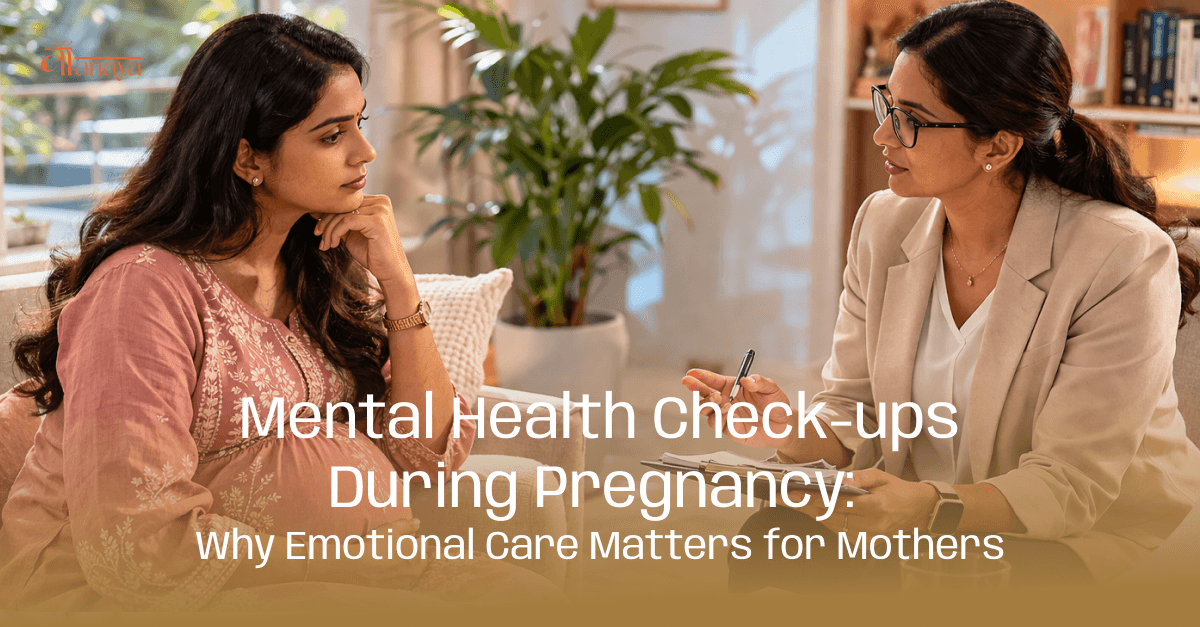
Learn why mental health check-ups during pregnancy are essential for mothers and babies. Discover benefits, warning signs, expert insights, and practical tips for emotional wellbeing during pregnancy.
The Importance of Mental Health Check-ups During Pregnancy
Pregnancy is often considered one of the most transformative journeys in a woman’s life. It brings joy, excitement, and anticipation of welcoming a new life. However, alongside the physical changes, pregnancy also brings significant emotional and psychological shifts.
Hormonal fluctuations, lifestyle adjustments, concerns about childbirth, and the responsibilities of motherhood can sometimes lead to stress, anxiety, or emotional overwhelm. While routine prenatal visits focus on monitoring the physical health of the mother and baby, mental health check-ups during pregnancy are equally important.
In recent years, healthcare professionals have increasingly recognized that maternal emotional wellbeing plays a crucial role in both pregnancy outcomes and postpartum health. Regular mental health check-ups during pregnancy help identify emotional challenges early and ensure mothers receive the support they need.
Understanding Mental Health During Pregnancy
Pregnancy is a time of rapid change, and emotional responses can vary widely among expecting mothers. Some women feel joyful and excited, while others may experience mood swings, anxiety, or feelings of uncertainty.
Common mental health challenges during pregnancy include:
- Prenatal anxiety
- Prenatal depression
- Mood swings due to hormonal changes
- Stress related to childbirth and parenting
- Sleep disturbances
- Emotional sensitivity
These experiences are more common than many people realize. Studies show that a significant number of pregnant women experience symptoms of anxiety or depression at some stage during pregnancy.
This is why mental health check-ups during pregnancy are becoming an essential part of comprehensive prenatal care.
Why Mental Health Check-ups During Pregnancy Matter
Mental health screenings during pregnancy help healthcare professionals understand how expecting mothers are coping emotionally and provide timely support when needed.
1. Early Detection of Emotional Challenges
Many women hesitate to discuss emotional struggles during pregnancy because they feel they should always be happy. However, suppressing emotional concerns can lead to more serious mental health issues.
Regular mental health check-ups during pregnancy allow professionals to identify early signs of:
- Persistent sadness
- Excessive worry
- Feelings of hopelessness
- Irritability or anger
- Difficulty sleeping
Early detection makes it easier to provide appropriate support and prevent symptoms from worsening.
2. Supporting Healthy Pregnancy Outcomes
A mother’s emotional health directly affects her physical wellbeing and the developing baby.
High levels of chronic stress during pregnancy may contribute to complications such as:
- Premature birth
- Low birth weight
- Difficulty with maternal bonding after birth
When mothers receive emotional support through mental health check-ups during pregnancy, they are better equipped to manage stress and maintain overall wellbeing.
3. Building Emotional Confidence for Motherhood
Pregnancy often raises many questions and uncertainties for first-time mothers.
Expecting mothers may worry about:
- Labor and delivery
- Caring for a newborn
- Balancing work and family responsibilities
- Changes in relationships
Mental health professionals provide guidance and reassurance, helping mothers develop emotional resilience and confidence for the journey ahead.
4. Reducing the Risk of Postpartum Depression
Postpartum depression affects many new mothers, but its early signs often begin during pregnancy.
By prioritizing mental health check-ups during pregnancy, healthcare providers can monitor emotional wellbeing and provide support before symptoms develop into postpartum depression.
Early intervention significantly improves recovery and maternal wellbeing.
Physical Check-ups vs Mental Health Check-ups During Pregnancy
Prenatal care traditionally emphasizes physical health, but emotional health deserves equal attention.
| Aspect | Physical Prenatal Check-ups | Mental Health Check-ups During Pregnancy |
| Primary focus | Physical health of mother and baby | Emotional wellbeing of the mother |
| Screening methods | Ultrasounds, blood tests, vital signs | Psychological assessments and discussions |
| Healthcare providers | Obstetricians and gynecologists | Psychologists, counselors, therapists |
| Goal | Monitor fetal development and physical health | Identify stress, anxiety, or depression |
| Outcome | Prevent physical complications | Support emotional resilience |
Combining both forms of care creates a more holistic and supportive pregnancy experience.
Signs You Should Consider Mental Health Support During Pregnancy
While occasional mood changes are normal during pregnancy, certain emotional signs may indicate the need for professional support.
You may benefit from mental health check-ups during pregnancy if you experience:
- Persistent sadness lasting more than two weeks
- Excessive worry about the baby’s health
- Feeling overwhelmed or emotionally drained
- Loss of interest in daily activities
- Sleep problems unrelated to pregnancy discomfort
- Difficulty connecting emotionally with the pregnancy
Seeking support early helps mothers navigate pregnancy with greater emotional balance.
Factors That Influence Mental Health During Pregnancy
Several factors can influence emotional wellbeing during pregnancy.
Hormonal Changes
Hormones such as estrogen and progesterone fluctuate significantly during pregnancy, which can impact mood and emotional stability.
Previous Mental Health History
Women who have previously experienced anxiety or depression may be more vulnerable to emotional challenges during pregnancy.
Lack of Support
A strong support system plays an important role in maternal mental health. Women with limited emotional or social support may feel more overwhelmed.
Financial or Work Stress
Balancing professional responsibilities, financial concerns, and pregnancy-related changes can create emotional pressure.
Recognizing these factors highlights the importance of mental health check-ups during pregnancy.
Case Study: How Mental Health Support Improved One Mother’s Pregnancy
Case Example: Riya, 30, First-Time Mother
Riya was thrilled when she discovered she was pregnant. However, during her second trimester she began experiencing constant anxiety about the baby’s health and upcoming childbirth.
She found herself frequently searching online for pregnancy complications, which increased her stress.
During a routine appointment, her doctor recommended mental health check-ups during pregnancy.
Through counseling sessions, Riya learned:
- Techniques to manage anxiety
- Breathing exercises to reduce stress
- Ways to limit overwhelming information online
- Strategies to prepare emotionally for motherhood
Within a few months, Riya felt calmer and more confident about her pregnancy journey.
After giving birth, she continued to feel emotionally stable and was able to bond comfortably with her newborn.
This example highlights how early mental health support can transform the pregnancy experience.
How Mental Health Check-ups During Pregnancy Work
Mental health assessments during pregnancy are typically simple and supportive.
Emotional Screening
Healthcare providers may ask questions or use brief questionnaires to assess emotional wellbeing.
Counseling Sessions
Expecting mothers can speak openly with trained professionals about fears, concerns, and emotional challenges.
Personalized Support
Depending on the situation, support may include:
- Therapy sessions
- Stress management strategies
- Mindfulness practices
- Emotional support groups
Regular mental health check-ups during pregnancy ensure mothers receive ongoing emotional care.
Practical Ways to Maintain Mental Health During Pregnancy
Alongside professional support, expecting mothers can adopt healthy habits to protect emotional wellbeing.
- Stay Connected
Maintaining open communication with family, friends, and partners can provide reassurance and emotional support.
- Practice Relaxation Techniques
Activities such as prenatal yoga, meditation, and breathing exercises can help reduce stress levels.
- Focus on Balanced Nutrition and Sleep
A healthy lifestyle supports both physical and mental wellbeing.
- Limit Stressful Information
Constantly reading about pregnancy risks online can increase anxiety. Trust reliable medical guidance instead.
- Seek Professional Support When Needed
If emotional challenges arise, scheduling mental health check-ups during pregnancy can make a significant difference.
The Growing Focus on Maternal Mental Health
Maternal mental health is receiving increasing attention worldwide. Healthcare providers now recognize that emotional wellbeing is a crucial part of prenatal care.
Modern maternal health programs increasingly include:
- Emotional screening during prenatal visits
- Counseling support for expecting mothers
- Awareness programs for prenatal mental health
- Digital platforms that offer remote therapy
This shift highlights the importance of integrating mental health check-ups during pregnancy into routine maternity care.
How Maaanaya Supports Maternal Mental Health
Platforms like Maaanaya are helping expecting mothers access emotional support more easily.
Through expert guidance and professional counseling services, mothers can receive support throughout their pregnancy journey.
Digital maternal wellness platforms help bridge gaps in mental healthcare by providing:
- Access to trained therapists
- Educational resources on pregnancy wellbeing
- Emotional support programs
- Convenient online sessions
This approach makes mental health check-ups during pregnancy more accessible and stigma-free.
Professional counseling during pregnancy can also prepare women for life after childbirth by helping them understand how therapy supports new mothers in adjusting emotionally to motherhood
Frequently Asked Questions
- Are mental health check-ups during pregnancy necessary?
Yes. Pregnancy involves major emotional and hormonal changes, and mental health screenings help detect anxiety, stress, or depression early.
- When should mental health screening start during pregnancy?
Mental health assessments can begin in the first trimester and continue throughout pregnancy as needed.
- Are therapy sessions safe during pregnancy?
Yes. Counseling and psychological therapies are safe and widely recommended for pregnant women experiencing emotional challenges.
- Can mental health affect the baby during pregnancy?
Yes. Severe stress or untreated depression may influence pregnancy outcomes and maternal bonding after birth.
- How often should mental health check-ups during pregnancy be done?
The frequency varies depending on individual needs, but many healthcare providers recommend emotional screening during each trimester.
Conclusion
Pregnancy is not only a physical journey but also an emotional transformation. While prenatal care traditionally focuses on physical health, emotional wellbeing deserves equal attention.
Mental health check-ups during pregnancy help identify emotional challenges early, reduce stress, and support healthier outcomes for both mother and baby.
By prioritizing emotional wellbeing, expecting mothers can navigate pregnancy with greater confidence and balance.
With growing awareness and supportive platforms like Maaanaya, mental health care is becoming an essential part of modern maternal wellness, empowering mothers to experience a healthier and more positive pregnancy journey.
