



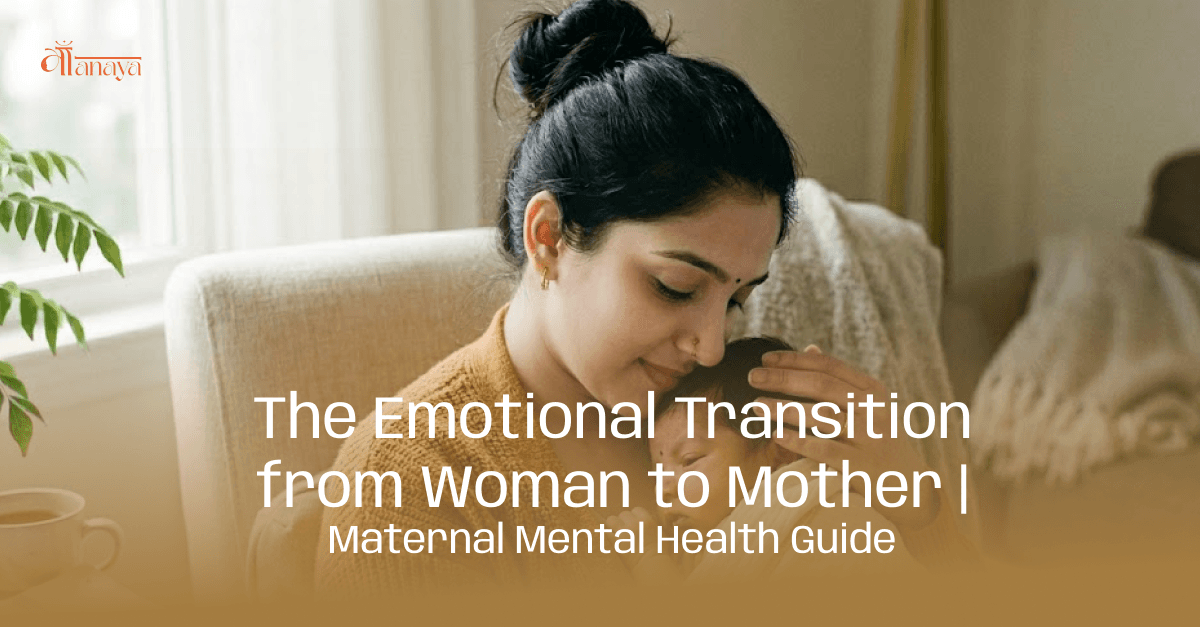
Explore the emotional transition from woman to mother, understand maternal mental health challenges, identity shifts after motherhood, and ways mothers can navigate emotional changes with the right support.
Introduction
The journey into motherhood is one of the most profound transformations a woman can experience. While society often highlights the joy and beauty of welcoming a child, the emotional transition from woman to mother involves complex psychological and emotional changes that many women are not fully prepared for.
Motherhood introduces new responsibilities, lifestyle changes, and emotional adjustments that reshape a woman’s identity. Along with love and happiness, many mothers experience anxiety, exhaustion, emotional sensitivity, and moments of self-doubt. These experiences are part of the broader emotional journey of motherhood that unfolds during pregnancy and continues after childbirth.
Understanding these motherhood emotional changes is essential for protecting maternal mental health and helping women adapt to their new role with confidence. When mothers receive emotional awareness and support, they are better equipped to navigate the challenges that come with caring for a child while maintaining their own sense of identity and wellbeing.
Understanding the Emotional Transition From Woman to Mother
Becoming a mother involves more than the physical process of pregnancy and childbirth. It represents a major psychological shift that can influence how a woman views herself, her priorities, and her relationships.
Many women experience what experts describe as an identity shift after motherhood. Before becoming a mother, a woman may define herself through career goals, friendships, personal interests, and independence. After the birth of a child, the role of “mother” becomes central to her life.
While this transition can be deeply fulfilling, it can also create emotional complexity. Women often try to balance their previous identity with the responsibilities of motherhood, which may lead to internal conflict or uncertainty.
Common thoughts that arise during this stage include:
- Am I still the same person I was before becoming a mother?
- How can I balance my personal ambitions with motherhood?
- Why do I sometimes feel overwhelmed even though I love my child?
These reflections are a natural part of the psychological changes after becoming a mother.
Emotional Changes New Mothers Commonly Experience
The emotional landscape of motherhood is diverse and dynamic. Every mother experiences it differently, but several common emotional challenges of new mothers are widely recognized.
Joy and Emotional Connection
One of the most powerful aspects of motherhood is the emotional bond that develops between a mother and her baby. This connection often brings a deep sense of purpose, fulfillment, and unconditional love.
For many women, this bond forms immediately after childbirth, while for others it develops gradually over time. Both experiences are normal and part of the broader emotional journey of motherhood.
Anxiety and Self-Doubt
New mothers often feel responsible for every aspect of their baby’s wellbeing. Questions about feeding, sleep schedules, and health decisions can create anxiety.
These concerns may lead mothers to doubt their abilities, especially if they feel pressure to be a “perfect mother.” Such feelings are common and are often linked to the emotional challenges of new mothers adjusting to unfamiliar responsibilities.
Emotional Sensitivity
Hormonal changes during pregnancy and after childbirth can significantly influence emotions. Many women report heightened sensitivity, mood swings, or increased emotional responses to everyday situations.
These postpartum emotional changes are influenced by hormonal fluctuations, physical recovery, and sleep deprivation.
Feeling Overwhelmed
Caring for a newborn can be physically and emotionally demanding. Sleep deprivation, constant caregiving, and reduced personal time can lead to emotional exhaustion.
Even mothers who deeply love their children may sometimes feel overwhelmed. Recognizing that these emotions are part of the motherhood emotional changes helps reduce feelings of guilt or self-criticism.
Why Maternal Mental Health Matters
In recent years, maternal mental health has become an important global conversation. Research consistently shows that a mother’s emotional wellbeing has a direct impact on both her child and the family environment.
Healthy maternal mental wellbeing supports:
- Strong mother-child bonding
- Healthy emotional development in children
- Positive family relationships
- Improved long-term mental health for mothers
When emotional struggles are ignored, the emotional journey of motherhood can become significantly more challenging. However, early awareness and access to emotional support can help mothers manage stress and adjust to their new identity more smoothly.
Case Study: Navigating the Emotional Journey of Motherhood
Case Study: Riya, 30, First-Time Mother
Riya had built a successful career before becoming a mother. She enjoyed her independence and had a busy social life. After the birth of her baby, she expected motherhood to feel natural and fulfilling immediately.
Instead, she found herself experiencing emotional confusion.
She felt:
- Guilty for wanting personal time
- Anxious about whether she was doing things correctly
- Overwhelmed by the constant responsibility of caring for a newborn
Riya initially believed something was wrong with her because motherhood felt more difficult than she had expected.
After speaking with maternal wellness professionals and connecting with other mothers, she realized that many women experience similar emotional challenges of new mothers.
Through emotional support, guided conversations, and self-care practices, Riya gradually regained confidence and began embracing both her identity as a woman and as a mother.
Her story illustrates how acknowledging the psychological changes after becoming a mother can help women navigate this transition in a healthier way.
Comparison: Emotional Life Before and After Motherhood
Understanding the emotional shift between womanhood and motherhood helps normalize the changes women experience.
| Aspect | Before Motherhood | After Motherhood |
| Identity | Personal identity shaped by career, relationships, and interests | Identity strongly connected to motherhood |
| Responsibilities | Focus on personal goals and lifestyle | Primary focus on child care and family |
| Emotional Focus | Self development and independence | Child wellbeing and family stability |
| Time Management | Flexible schedules | Daily routines structured around the baby |
| Mental Load | Manageable stress from work and life | Increased emotional and mental responsibilities |
This comparison highlights how the identity shift after motherhood affects multiple aspects of life.
Signs a Mother May Need Emotional Support
Although emotional changes are a normal part of motherhood, certain experiences may indicate the need for professional help.
Signs that a mother may benefit from support include:
- Persistent sadness or anxiety
- Feeling emotionally disconnected from the baby
- Difficulty coping with daily responsibilities
- Loss of interest in previously enjoyed activities
- Severe emotional exhaustion
Recognizing these signs early allows mothers to seek help for mental health after childbirth before emotional stress becomes overwhelming.
How Mothers Can Navigate the Emotional Transition
Adjusting to motherhood requires patience, awareness, and emotional support. There are several ways mothers can navigate the emotional transition from woman to mother while maintaining their wellbeing.
Accept Emotional Changes
The first step is understanding that emotional fluctuations are normal. Accepting these feelings reduces self-judgment and helps mothers approach challenges with compassion toward themselves.
Build a Support System
A strong support system can make a significant difference during early motherhood. Family members, friends, maternal communities, and professional counselors can provide encouragement and reassurance.
Connecting with other mothers who share similar experiences also helps normalize motherhood emotional changes.
Prioritize Mental Wellbeing
Self-care is often overlooked during motherhood, but it is essential for maintaining emotional balance.
Practices such as mindfulness, journaling, light physical activity, and adequate rest can support maternal mental health and help mothers manage stress.
Seek Professional Guidance
If emotional challenges become difficult to manage, speaking with mental health professionals can provide valuable guidance.
Maternal wellness platforms and therapists specializing in maternal mental health can help mothers understand their emotions and develop coping strategies.
Platforms like Maaanaya aim to create supportive environments where mothers can access expert guidance, emotional resources, and communities designed specifically for maternal wellbeing.
The Role of Maternal Wellness Platforms
Modern lifestyles often limit the traditional family support systems that once helped new mothers adjust to parenthood. As a result, digital platforms focused on maternal wellness have become increasingly important.
These platforms provide resources such as:
- Access to psychologists and therapists
- Mental health guidance during pregnancy and postpartum
- Community support for mothers
- Educational resources about emotional wellbeing
By addressing mental health after childbirth, such platforms empower mothers to navigate the emotional complexities of motherhood with greater confidence.
Conclusion
The emotional transition from woman to mother is a deeply transformative experience that reshapes a woman’s identity, priorities, and emotional world. While motherhood brings immense love and fulfillment, it can also introduce emotional challenges and psychological adjustments.
Understanding motherhood emotional changes, recognizing the importance of maternal mental health, and building strong support systems can help mothers navigate this journey with resilience.
With the right awareness, compassion, and access to supportive communities like Maaanaya, women can embrace motherhood while continuing to nurture their own emotional wellbeing.
Motherhood does not mean losing one’s identity—it means evolving into a new and meaningful phase of life.
FAQ
What is the emotional transition from woman to mother?
The emotional transition from woman to mother refers to the psychological and emotional adjustments women experience during pregnancy and after childbirth, including identity changes, emotional sensitivity, and increased responsibilities.
Are emotional changes after childbirth normal?
Yes, many women experience postpartum emotional changes due to hormonal shifts, lifestyle adjustments, and the responsibilities of caring for a newborn.
Why is maternal mental health important?
Maternal mental health affects mother-child bonding, emotional development of the baby, and the overall wellbeing of the family.
How can mothers manage emotional challenges after childbirth?
Mothers can manage emotional challenges by building support systems, practicing self-care, and seeking professional guidance when needed.
When should a mother seek professional help?
If feelings of sadness, anxiety, or emotional distress persist for several weeks and interfere with daily life, professional support should be considered.
