



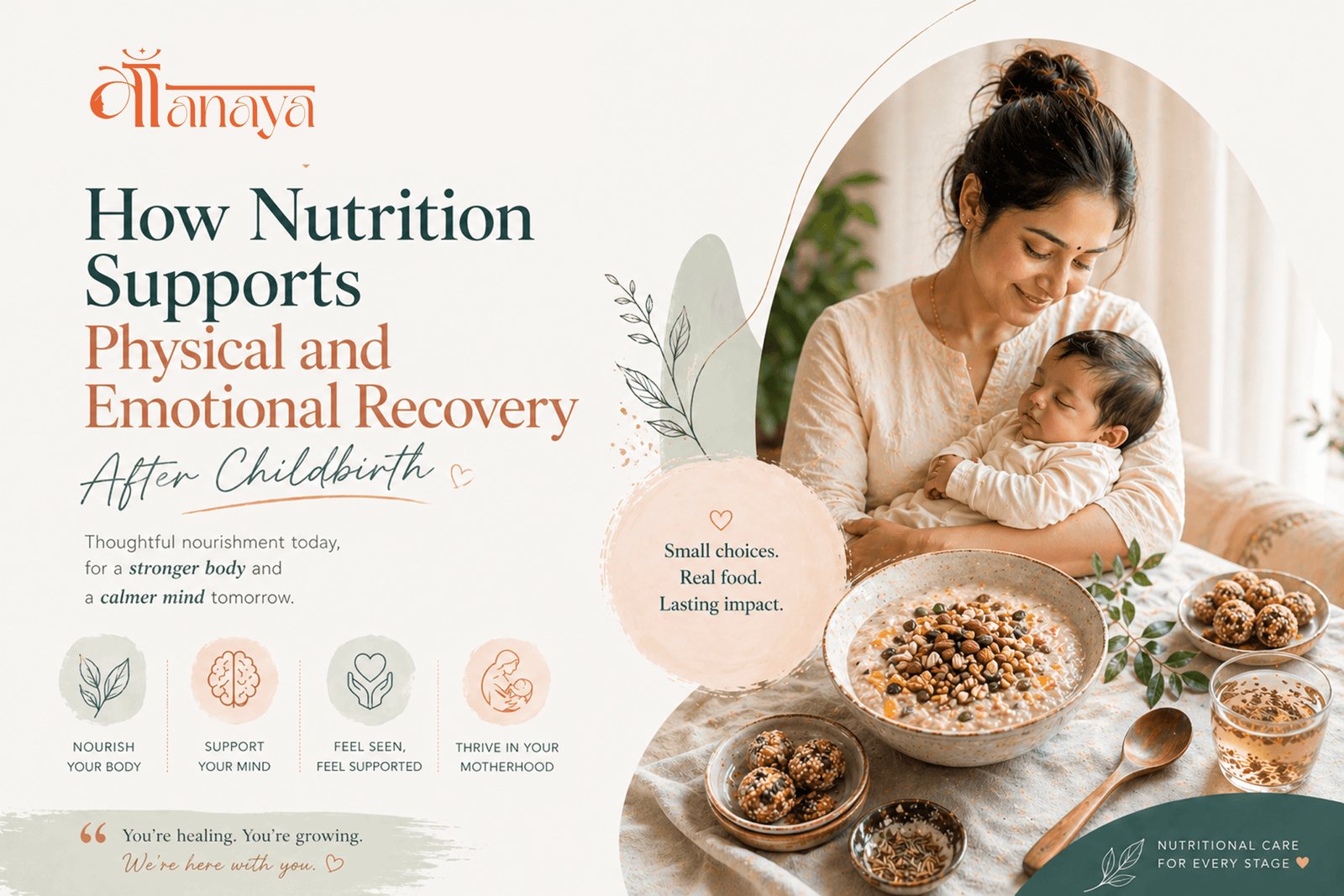
Discover how postpartum nutrition supports physical healing and emotional recovery after childbirth. Expert-backed food tips, meal plans & mental health guidance from Maaanaya.
Introduction
Postpartum nutrition is one of the most powerful yet underestimated tools in a new mother’s recovery toolkit. After childbirth — whether vaginal or via C-section — a woman’s body has just completed one of the most physically and emotionally demanding experiences of her life. Every cell, every hormone, every organ has been working in overdrive for nine months. And yet, the moment a baby arrives, most attention shifts entirely to the newborn, leaving the mother’s healing needs in the background.
The truth is, what a new mother eats in the weeks and months after delivery directly shapes how quickly her body heals, how her hormones stabilize, how well she sleeps, and critically — how she feels emotionally. Research consistently shows that nutrient deficiencies in the postpartum period are closely linked to postpartum depression, anxiety, fatigue, and emotional instability.
At Maaanaya, India’s dedicated digital platform for maternal mental health and postpartum wellness, we see this connection every day. Mothers come to us feeling exhausted, overwhelmed, and emotionally fragile — and while professional therapeutic support is essential, we know that postpartum nutrition plays an equally vital role in the healing process. This guide brings together evidence-based nutritional guidance with holistic maternal care to help you understand exactly how food supports your recovery — physically and emotionally — after childbirth.
Why Postpartum Nutrition Matters More Than Most New Mothers Realize
1.The Body’s State After Childbirth
Childbirth triggers a dramatic shift in a woman’s physiology. Blood volume drops, uterine tissues begin repairing, hormone levels plummet — particularly estrogen and progesterone — and if breastfeeding, the body immediately begins producing milk, which demands an additional 300–500 calories per day. All of this happens while the mother is managing disrupted sleep, learning to care for a newborn, and navigating profound emotional transitions.
The postpartum body is in a state of active repair and rebalancing. Nutrients are the raw materials that make this repair possible. Without adequate nutrition, recovery is slower, energy is depleted, and the risk of postpartum mood disorders rises significantly.
2.The Nutritional Gap Most Mothers Experience
Many new mothers in India and globally find it difficult to prioritize their own eating during the postpartum period. Between newborn care, family responsibilities, and recovery from delivery, meals are often skipped, portions are reduced, or food choices default to whatever is quick and convenient. This creates a nutritional gap that can significantly impair both physical and emotional recovery.
Postpartum nutrition is not about dieting or restricting calories. It is about nourishing a body that has given everything — and needs to be replenished with intention and care.
How Nutrition Supports Physical Recovery After Childbirth
1. Wound Healing and Tissue Repair
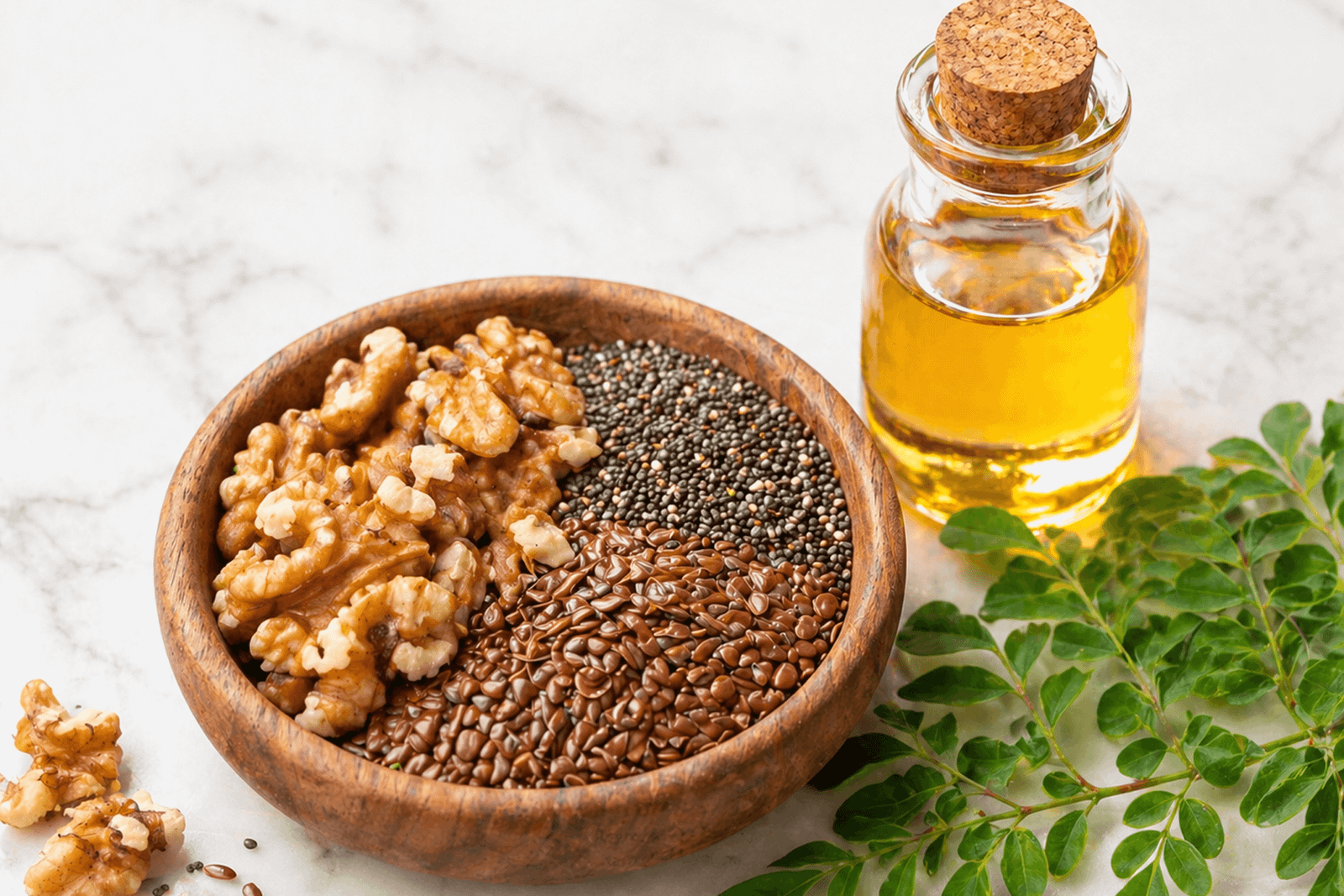
Whether from perineal tears, episiotomies, or C-section incisions, postpartum wounds require specific nutrients to heal properly. Vitamin C is critical for collagen synthesis — the structural protein that rebuilds damaged tissue. Zinc supports immune function and skin healing. Protein provides the amino acids needed for cellular repair.
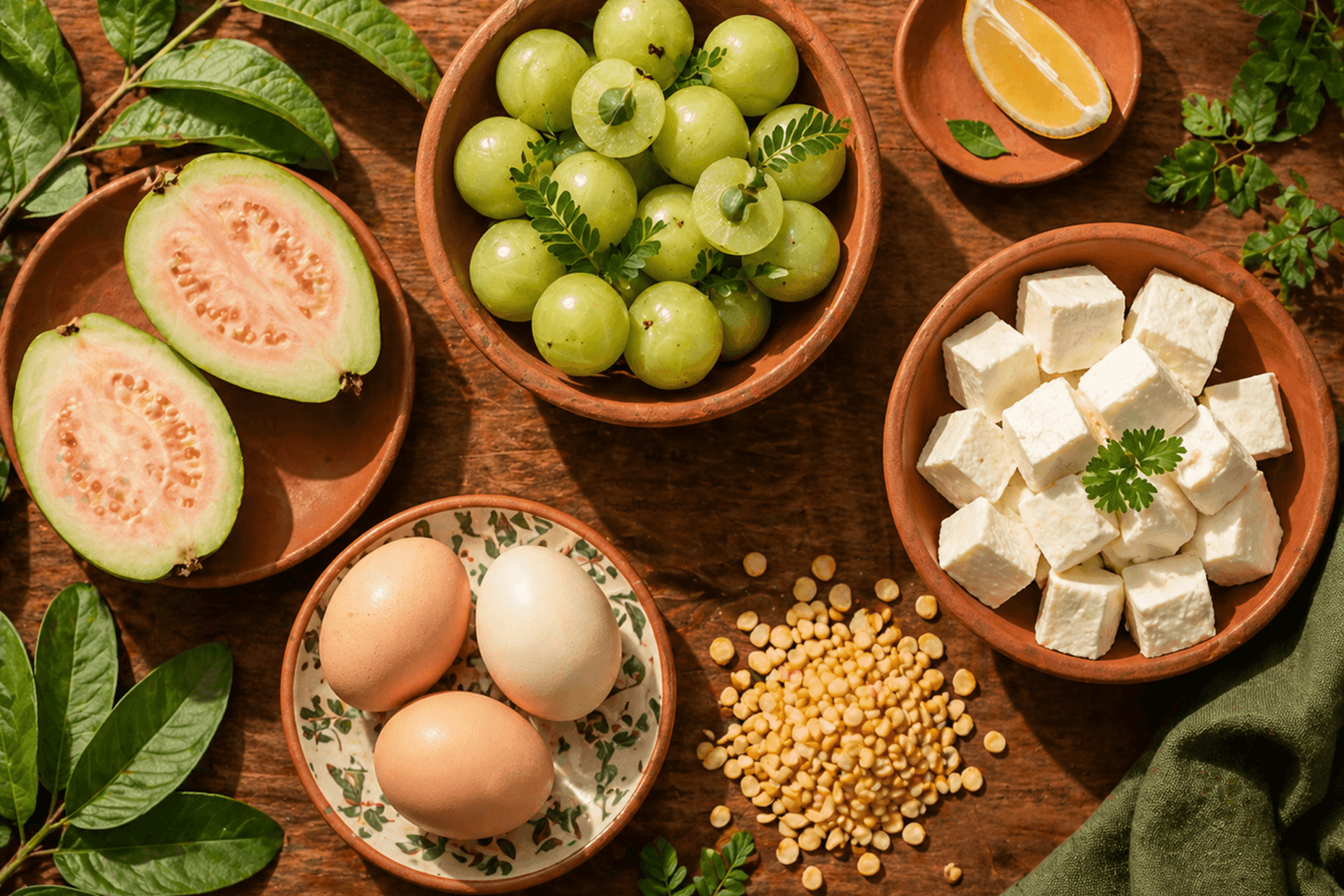
Foods rich in Vitamin C like amla (Indian gooseberry), guava, and citrus fruits combined with lean proteins such as dal, eggs, paneer, and fish can meaningfully accelerate wound recovery.
2. Replenishing Blood and Iron Levels
Blood loss during delivery can leave new mothers iron-deficient, contributing to extreme fatigue, weakness, and brain fog. Iron-rich foods like spinach, methi (fenugreek leaves), rajma (kidney beans), and lean red meat, paired with Vitamin C sources to enhance absorption, are essential for rebuilding blood health.
Low iron is not just a physical problem. Iron-deficiency anemia is linked to increased rates of postpartum depression and emotional instability — a direct connection between nutrition and mental health.
3. Hormonal Rebalancing
The dramatic drop in estrogen and progesterone after delivery is a key trigger of the “baby blues” and postpartum mood disorders. Certain nutrients directly support hormonal rebalancing. Omega-3 fatty acids found in flaxseeds, walnuts, and fatty fish support the production of hormones and neurotransmitters. Magnesium — found in dark leafy greens, nuts, and seeds — helps regulate cortisol, the body’s primary stress hormone.
4. Supporting Breastfeeding
Breast milk is nutritionally complete for the baby, but it draws heavily from the mother’s own reserves. Calcium, iodine, Vitamin D, and choline are all transferred through breast milk. If the mother’s diet is deficient, her own bone density, thyroid function, and neurological health can suffer. Adequate postpartum nutrition protects both mother and baby during the breastfeeding period.
5. Restoring Gut Health
Pregnancy and delivery significantly disrupt the gut microbiome. A healthy gut influences digestion, immune function, and — through the gut-brain axis — mood and emotional regulation. Probiotic-rich foods like curd (yogurt), fermented pickles, and kanji, along with prebiotic fibers from fruits, vegetables, and whole grains, help restore gut balance in the postpartum period.
How Nutrition Influences Emotional and Mental Health After Childbirth
1.The Brain-Gut-Nutrition Connection
Emotional recovery after childbirth is profoundly influenced by nutritional status. The brain requires a constant supply of specific nutrients to produce neurotransmitters — the chemical messengers that regulate mood, motivation, sleep, and emotional resilience.
Serotonin, often called the “feel-good” hormone, is produced in the gut. Tryptophan, found in foods like milk, eggs, bananas, and sesame seeds, is a precursor to serotonin. When diets are low in tryptophan, serotonin production drops — and mood suffers.
Dopamine, which governs motivation and pleasure, is influenced by adequate iron, folate, and B vitamins. New mothers who are deficient in these nutrients often describe a persistent inability to feel joy or engagement — symptoms that overlap significantly with postpartum depression.
2.Omega-3 Fatty Acids and Postpartum Depression
Research has established a strong link between low omega-3 levels and postpartum depression. During pregnancy, the developing baby draws heavily on the mother’s DHA reserves. If these are not replenished, the mother’s brain — which is approximately 60% fat — becomes deficient in the fatty acids it needs for optimal emotional function.
Studies published in the Journal of Affective Disorders have found that women with higher omega-3 intake during the postpartum period report significantly lower rates of depression and anxiety. Including sources like flaxseed oil, chia seeds, walnuts, and fatty fish (such as salmon or mackerel) in postpartum meals is a scientifically supported strategy for emotional wellbeing.
3.Blood Sugar Stability and Mood
Postpartum mothers are vulnerable to blood sugar swings — worsened by irregular meal times, poor sleep, and energy demands of breastfeeding. Rapid rises and falls in blood glucose trigger irritability, anxiety, mood instability, and exhaustion. Eating balanced meals with complex carbohydrates, protein, and healthy fats at regular intervals helps maintain blood sugar stability, directly supporting emotional steadiness throughout the day.
4.Vitamin D and Emotional Regulation
Vitamin D deficiency is widespread in India despite plentiful sunshine, and it is particularly common in postpartum women. Low Vitamin D is associated with higher rates of depression, fatigue, and immune dysfunction. Safe sun exposure, fortified foods, and Vitamin D-rich foods like eggs and fatty fish can help address this common deficiency.
Essential Foods for Postpartum Recovery: A Complete Guide
Category 1: Iron-Rich Foods (for energy and emotional health)
- Spinach, methi, and palak — high in non-heme iron
- Rajma, chana, and masoor dal — plant-based iron sources
- Lean red meat and liver — richest dietary sources of heme iron
- Fortified cereals and breads — widely available and practical
- Pair with: Vitamin C sources (amla, lemon, tomatoes) to maximize iron absorption
Category 2: Omega-3 Rich Foods (for brain and mood support)
- Flaxseeds and chia seeds — easy to add to smoothies, rotis, or porridge
- Walnuts — convenient snack for emotional and brain health
- Fatty fish (salmon, mackerel, sardines) — highest in DHA and EPA
- Mustard oil — commonly used in Indian cooking, contains omega-3s
Category 3: Calcium-Rich Foods (for bone health and nerve function)
- Dairy products — milk, paneer, dahi (yogurt) — most bioavailable calcium
- Ragi (finger millet) — exceptional plant-based calcium source, widely used in Indian postpartum diets
- Til (sesame seeds) — one of the richest plant sources of calcium
- Drumstick leaves (moringa) — traditional postpartum food with high calcium content
Category 4: Protein-Rich Foods (for tissue repair and recovery)
- Eggs — complete protein with all essential amino acids
- Dal in all varieties — foundational Indian protein source
- Chicken and fish — lean, highly digestible proteins
- Paneer and tofu — vegetarian high-protein options
- Makhana (fox nuts) — traditional postpartum snack, easy to digest
Category 5: Gut-Healing Foods (for digestion and mood via gut-brain axis)
- Fresh homemade dahi (curd) — probiotic-rich and cooling
- Kanji (fermented rice water or carrot drink) — traditional Indian probiotic
- Moong dal — easy-to-digest, restorative staple in postpartum cooking
- Fiber-rich vegetables and fruits — support regular digestion and microbiome health
Category 6: Hydration (often overlooked but critical)
- Water — at least 2.5–3 liters daily, especially when breastfeeding
- Warm ajwain (carom seed) water — aids digestion and reduces bloating
- Methi seed water — traditional remedy for milk production and blood sugar
- Herbal teas (ginger, fennel) — soothing and supportive of digestion
- Coconut water — natural electrolyte replenishment
Postpartum Nutrition vs. General Healthy Eating: Key Differences
Understanding how postpartum nutritional needs differ from standard healthy eating helps new mothers prioritize the right foods.
| Aspect | General Healthy Eating | Postpartum Nutrition |
| Calorie intake | Maintenance or moderate deficit | Higher (additional 300–500 cal/day if breastfeeding) |
| Protein needs | 0.8g per kg body weight | 1.1–1.3g per kg to support tissue repair |
| Iron focus | Moderate importance | Critical — replenishing blood lost during delivery |
| Omega-3 emphasis | General brain health | High priority — directly linked to postpartum depression prevention |
| Calcium | Bone health maintenance | Essential — baby draws calcium through breast milk |
| Gut health foods | Beneficial | High priority — gut-brain axis affects mood regulation |
| Meal frequency | 3 meals + optional snacks | Frequent small meals critical for blood sugar and energy |
| Hydration | 2 liters/day recommended | 2.5–3+ liters/day when breastfeeding |
| Foods to limit | Processed, high-sugar foods | Caffeine, alcohol, gas-producing foods during breastfeeding |
| Mental health link | Moderate | Direct — nutritional deficiencies closely tied to postpartum mood disorders |
The key takeaway: postpartum nutrition is more targeted, more intensive, and more directly tied to mental health outcomes than general dietary guidance. It requires dedicated attention, not just broadly “eating well.”
Case Study: How Better Nutrition Transformed One Mother’s Recovery
Note: The following is a representative composite case study based on common postpartum experiences shared on the Maaanaya platform. Names have been changed to protect privacy.
Priya’s Story: From Emotional Exhaustion to Renewed Strength
Priya, a 31-year-old first-time mother from Bengaluru, came to Maaanaya three months after delivering her son via emergency C-section. She described persistent fatigue that made even basic tasks feel overwhelming, frequent tearfulness, a disconnect from her baby that confused and frightened her, and a lack of appetite that had led her to skip meals regularly.
Her Maaanaya therapist identified markers consistent with postpartum depression and low self-care around nutrition. With the family’s support, a parallel nutrition and mental health plan was introduced.
Nutritional interventions included:
- Introduction of iron-rich foods at every meal (spinach in dal, rajma twice weekly, amla chutney with meals)
- Daily inclusion of flaxseed (ground, in roti dough) for omega-3 support
- Two servings of probiotic dahi daily
- Makhana and fruit as mid-morning and evening snacks
- Warm milk with a pinch of ashwagandha at night (after consulting her physician)
- Increasing water intake from approximately 1 liter to 2.5 liters daily
Results at 6 weeks:
- Priya reported significantly improved energy levels within the first two weeks
- By week four, she noted her mood had stabilized — fewer crying spells and more moments of genuine engagement with her son
- Her sleep quality improved, partly attributable to nutritional stabilization alongside therapy
- Her sense of self-confidence around motherhood began to rebuild
Priya’s case illustrates what Maaanaya sees consistently: postpartum nutrition and professional mental health support are most powerful when they work together. Neither alone is as effective as an integrated approach to recovery.
Common Postpartum Nutrition Mistakes to Avoid
Even with good intentions, new mothers frequently fall into these postpartum nutrition pitfalls:
1. Restricting calories too soon. Many mothers feel pressure to lose “baby weight” quickly. Cutting calories in the early postpartum period deprives the body of nutrients needed for healing and directly undermines mood stability and milk production.
2. Skipping meals. With a newborn demanding attention, it is easy to forget to eat. Skipped meals destabilize blood sugar, worsen fatigue, and increase emotional reactivity.
3. Relying on tea and coffee for energy. Excessive caffeine disrupts sleep quality (already compromised with a newborn), increases anxiety, and can affect the baby through breast milk.
4. Avoiding healthy fats. Cultural advice to eat “light” sometimes leads mothers to avoid ghee, nuts, and seeds — precisely the foods that supply brain-supporting fats and fat-soluble vitamins like Vitamin D and A.
5. Ignoring hydration. Mild dehydration worsens fatigue, headaches, and mood. New mothers — especially breastfeeding mothers — need significantly more water than they typically consume.
6. Not seeking support when appetite is very low. Persistent loss of appetite is a known symptom of postpartum depression. If a new mother is consistently unable to eat, this warrants professional attention — both nutritional and mental health support.
How Maaanaya Supports Your Postpartum Recovery Journey
Postpartum nutrition guidance is most effective when it exists within a broader framework of personalized support. This is where Maaanaya’s integrated approach makes a meaningful difference.
Maaanaya is a digital maternal mental health and postpartum wellness platform that brings together licensed therapists, counselors, and wellness specialists in one accessible space. For new mothers navigating the intersection of physical recovery and emotional wellbeing, Maaanaya offers:
- Access to licensed therapists specializing in postpartum anxiety, depression, emotional adjustment, and the identity shifts that accompany new motherhood
- Judgment-free, compassionate support for mothers who may feel stigma or uncertainty around seeking help
Maaanaya’s mission is to normalize the conversation around maternal mental health and ensure every mother receives timely, compassionate, professional support — because a thriving mother is the foundation of a thriving family.
FAQ:
Q1: How long should I follow a postpartum nutrition plan?
Most experts recommend prioritizing postpartum nutrition for at least the first 6–12 months after delivery — particularly if breastfeeding. The body’s recovery from childbirth, hormonal rebalancing, and the demands of milk production make nutrient-dense eating essential throughout this entire period, not just the first few weeks.
Q2: Can postpartum nutrition really help with postpartum depression?
Yes — nutritional status directly influences brain chemistry and emotional regulation. While nutrition alone cannot treat clinical postpartum depression, deficiencies in iron, omega-3 fatty acids, Vitamin D, and B vitamins are closely linked to postpartum mood disorders. Improving nutritional intake alongside professional therapy and support produces significantly better outcomes than either approach alone.
Q3: What are the most important nutrients to prioritize immediately after childbirth?
Iron, omega-3 fatty acids, calcium, Vitamin D, protein, and folate are the most critical nutrients in the immediate postpartum period. These support wound healing, hormonal rebalancing, mood regulation, bone health, and breast milk production simultaneously.
Q4: Should I take postpartum supplements?
Many postpartum mothers benefit from continuing their prenatal vitamins through at least six months postpartum. Additional supplementation — particularly omega-3 (DHA/EPA), iron, and Vitamin D — may be beneficial depending on dietary intake and individual deficiencies. Always consult your doctor or healthcare provider before beginning supplements.
Q5: Are traditional Indian postpartum foods actually effective?
Many traditional postpartum foods used across Indian cultures have genuine nutritional merit. Ghee (for healthy fats and fat-soluble vitamins), ragi (for calcium), methi (for iron and milk production), til laddoos (for calcium and omega-3s), and ajwain (for digestion) all have evidence-aligned benefits. Traditional wisdom, when applied thoughtfully, can be a powerful complement to modern nutritional guidance.
Q6: I have no appetite after delivery — is this normal?
Some appetite changes immediately after delivery are normal. However, persistent lack of appetite, nausea, or inability to eat are also symptoms of postpartum depression and anxiety. If low appetite lasts more than a week or two, or is accompanied by emotional distress, please seek support — both from a healthcare provider regarding nutrition and from a mental health professional through platforms like Maaanaya.
Q7: How can Maaanaya help me with postpartum recovery?
Maaanaya connects you with licensed therapists and wellness professionals who specialize in postpartum care — all accessible online from home. Whether you are experiencing postpartum anxiety, emotional overwhelm, adjustment difficulties, or simply need compassionate guidance through the fourth trimester, Maaanaya provides expert, personalized support that addresses both your mental and physical wellbeing.
Conclusion
Postpartum nutrition is not a secondary concern — it is a cornerstone of recovery after childbirth. What a new mother eats in the weeks and months following delivery shapes how her body heals, how her hormones stabilize, how her brain functions, and crucially, how she feels emotionally. The evidence is clear: nutrients like iron, omega-3 fatty acids, calcium, Vitamin D, and protein are not merely good for general health — they are essential medicine for the postpartum body and mind.
Prioritizing nutrition in the fourth trimester is an act of self-compassion and maternal strength. It is also one of the most practical steps a new mother can take to support her emotional resilience, reduce the risk of postpartum depression, and rebuild her energy for the extraordinary journey of motherhood ahead.
But nutrition is one part of a larger picture. Emotional recovery after childbirth is complex, deeply personal, and sometimes requires professional support. If you are struggling — emotionally, physically, or both — you do not have to navigate this alone.
Maaanaya is here to help. Our platform connects mothers across India with licensed therapists, counselors, and wellness professionals who understand the unique challenges of the postpartum period. From postpartum anxiety and depression support to holistic wellness guidance, Maaanaya offers compassionate, expert-led care — all accessible from the comfort of your home.
Take Maaanaya’s free postpartum mental health screening — a quick, confidential assessment designed to help you understand how you’re feeling and what support may be right for you.
👉 Click Here for Free Screening
It’s free, takes just a few minutes, and could be the first step toward feeling like yourself again.
