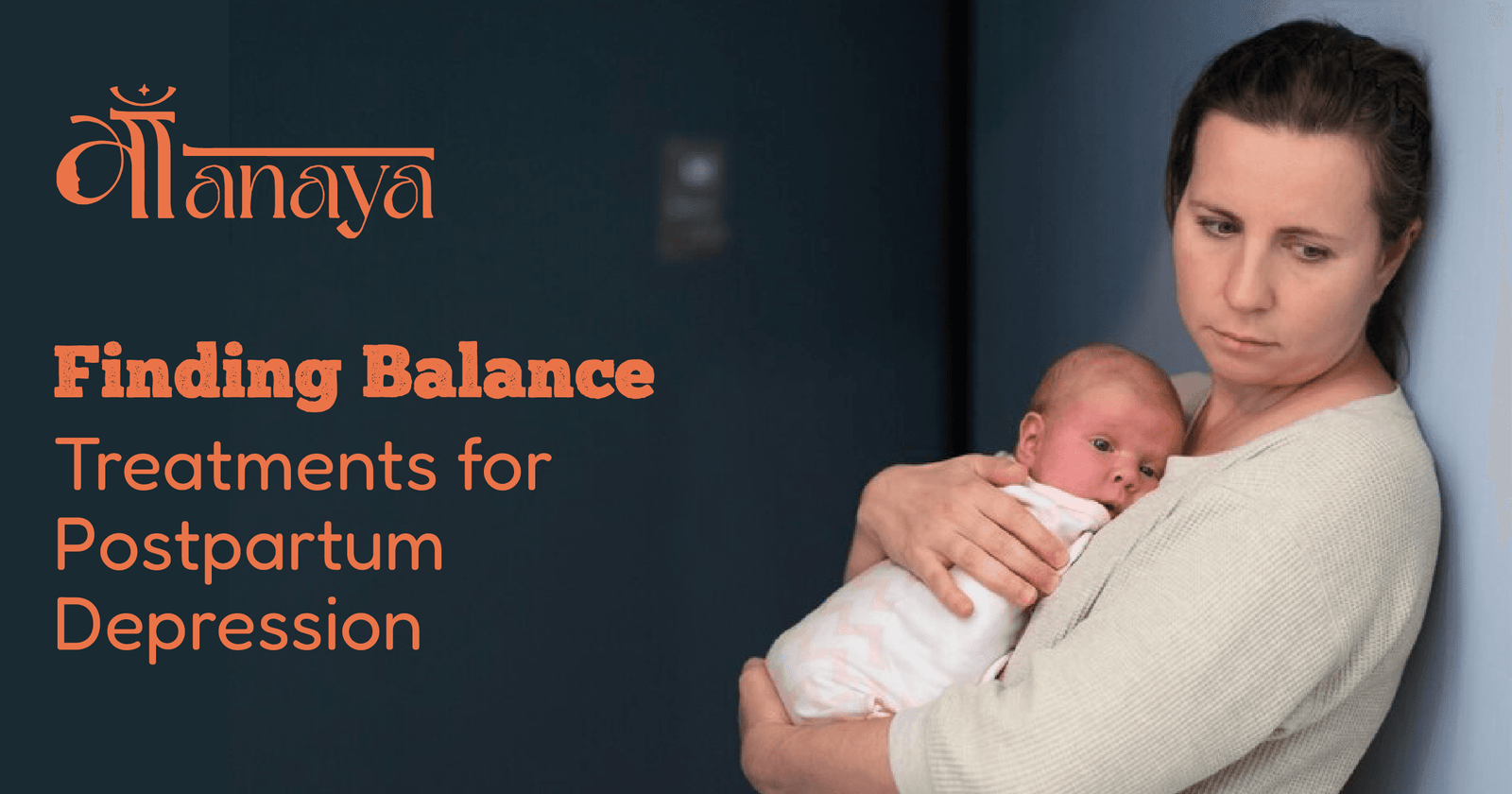
Motherhood is usually celebrated with an ultimate transformation. The warmth of love and bliss is experienced owing to the newborn. Unfortunately, this is not same for all the mothers as many new mothers struggle emotionally and suffer from postpartum depression. But there is always a solution to a problem. Likewise, here is a guide that will lead to healing by looking at the following treatments for postpartum depression.
What is the mother unable to put into words?

It is critical to understand that PPD can impair her ability to communicate what she is feeling, not because she does not want to share her thoughts but because her mental state often clouds her self-awareness which disrupts her cognitive ability to a great extent. The storm of hormones inside the mother’s body are immeasurable. The rapid decrease in Oestrogen and progesterone levels with a simultaneous increase in oxytocin and prolactin levels is observed. This enormous hormonal shift is vividly not prominent in any other type of depression.
Panic attacks, bottomless need to cry, changes in appetite, feeling worthless and unhappy, thoughts of physically harming herself as well as the child and a strike of negative thoughts. 1 out of 7 women go through PPD. Certainly, it is NOT what a mother deserves or her being an epitome of strength; it is medical condition which has to be treated with compassion and patience.
1 out of 7 women go through PPD. Certainly, it is NOT what a mother deserves or her being an epitome of strength; it is medical condition which has to be treated with compassion and patience.
Treatments for PPD: The pathway to healing. It is pivotal to acknowledge that treatment for postpartum depression depends on the severity of it. Evidently, according to the already treated cases of PPD, following methods have been considered the most accurately effective methods for the treatment of postpartum depression by the health experts as well as their teams.
1. Psychotherapy – The frontline defence A non-judgemental conversation with a trained psychiatrist, phycologist or any mental health professional can be a powerful way to untangle the million sad thoughts which the mother feels at that time.
-Group therapy: This way of dealing with PPD will not only cure the mental illness but give mothers a sense of feeling that they are not going through it alone. When healing comes in shared stories that too in a safe space it brings a sense of unity and will generate a wave of open mindedness among people to accept PPD without any stigma.
-Cognitive Behavioural Therapy: This specific type of therapy includes identifying negative thinking patterns without dwelling into the past and focusing on eradicating the present patterns which could be affecting the mother’s productivity. It is important to know that the mother might not articulate her feelings well thus she must be allowed to vent out everything she wants to under the guidance of a trained professional.
2. Lifestyle Changes: Every step counts It is a repeated pattern of daily rituals which turn into a habit. Likewise, significant changes in her diet, sleep routine and mindset by focusing on the right can help a mother a lot to regain herself in the best way. Having nutritious food, including iron, omaega-3 and detox water leads to a healthy gut. If accompanied with a guided workout, yoga sessions, journaling, spending more time with baby, taking nap when the baby naps, and the feeling of prioritizing her health could really make a mother bounce back to normal within a few months.
3. Brexanolone (Zulresso) It is the first drug which has been approved by the U.S Food and Drug Administration as a treatment for postpartum depression in adult women. It works by sharply decreasing the hormones which could shoot up the symptoms of postpartum depression in mothers. However, it could have adverse side effects thus it is not prescribed much by the doctors as it requires continuous monitoring under a certified healthcare setting for the first 60 hours. It usually works within 24 hours and in very critical cases it becomes a firsthand treatment as well as beacon of hope.
4. A Strong Support System To be emotionally and spiritually validated is a basic human need. Likewise, when a mother is emotionally vulnerable owing to their physical and mental conditions it is crucial to support her and be empathetic to her. Encouraging open conversations, a bit of pampering, helping with the diapers and towels are some small acts which could reassure a mother that she is as important as the baby.
Understanding is not always talking but sometimes just being comfortable with the silence, anger and agony filled inside her. All this sounds very complicated but even the smallest effort counts to make a mother shift on the path of healing and living herself again to the fullest.
Postpartum depression is not the end of the life, it is just a chapter. The transformation from a female to a mother is a blessing and every pain you bear is worth the heart that forms inside you. So, if you are going through PPD, ask for help, reach out, talk and the stand you take for yourselves would be the biggest reply to the critics. Dear mother, even the darkest clouds have a silver lining and you have to just look at that silver lining.